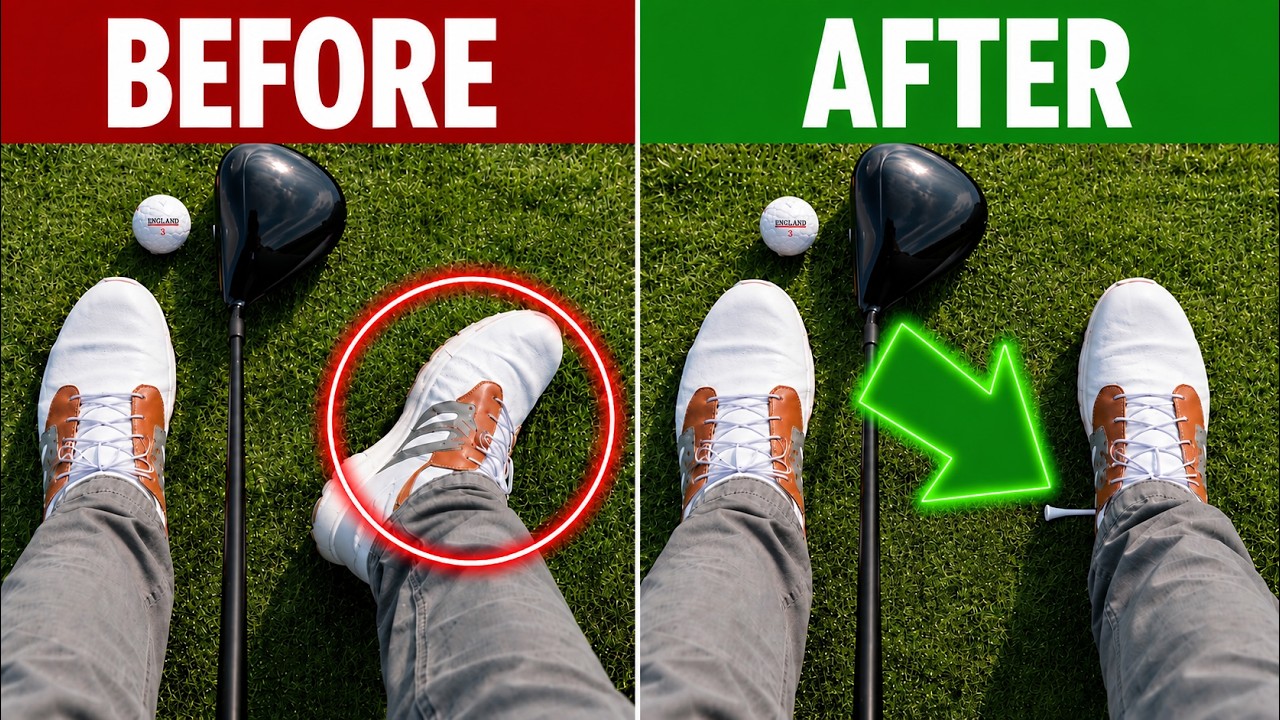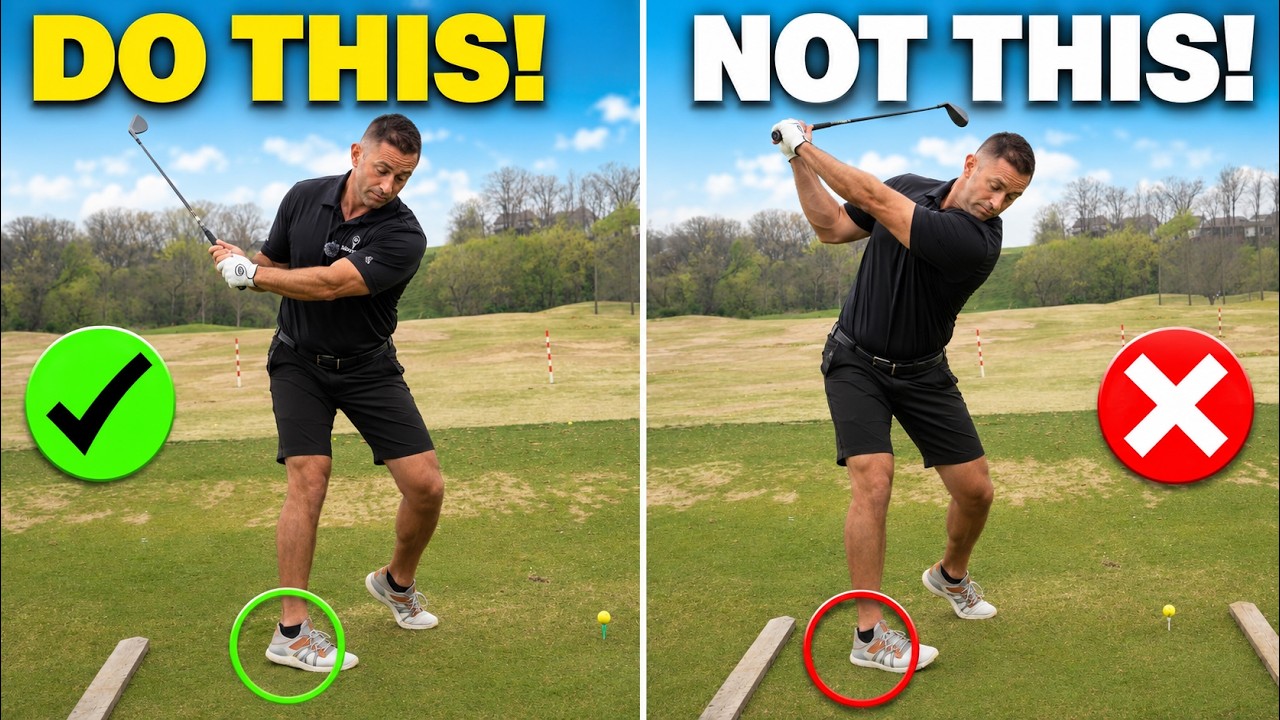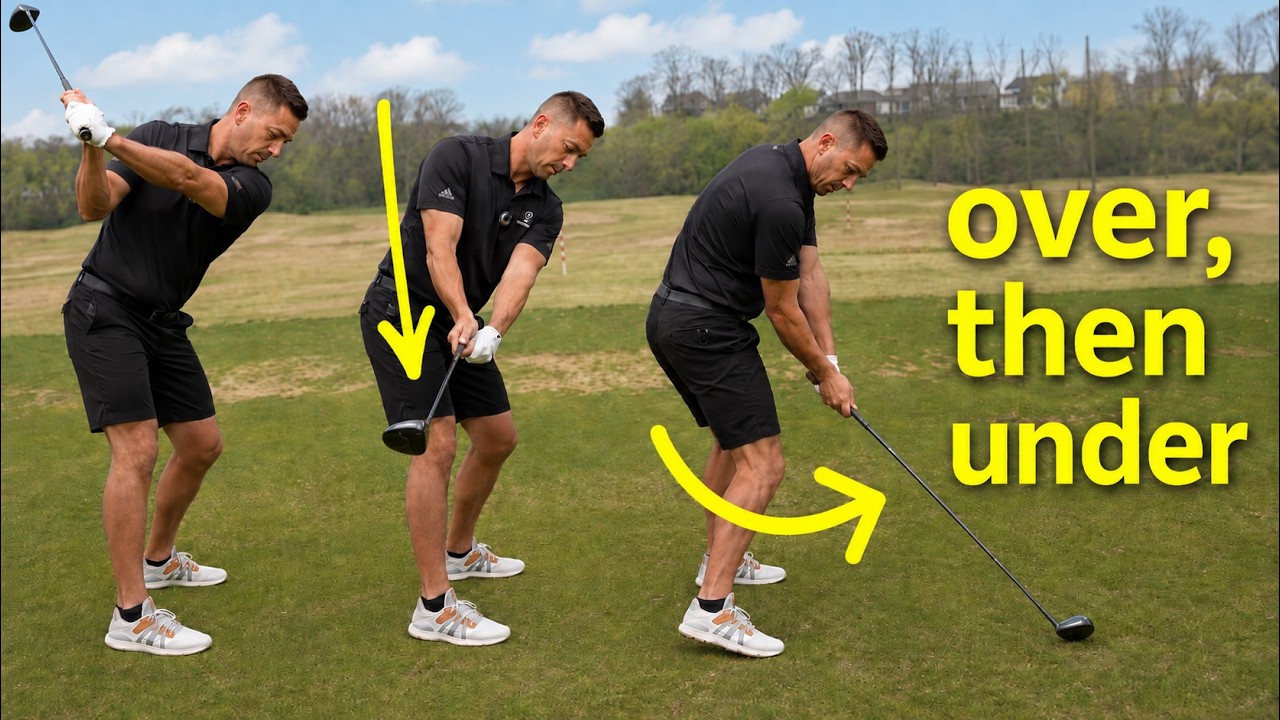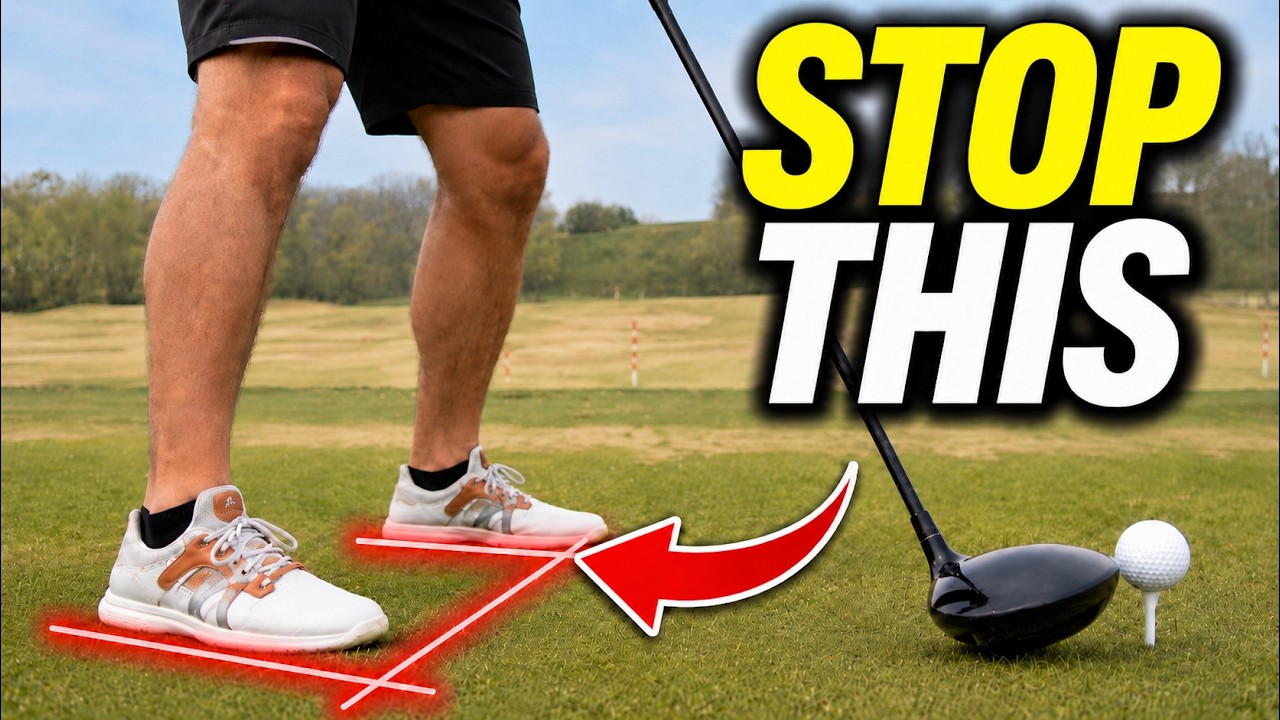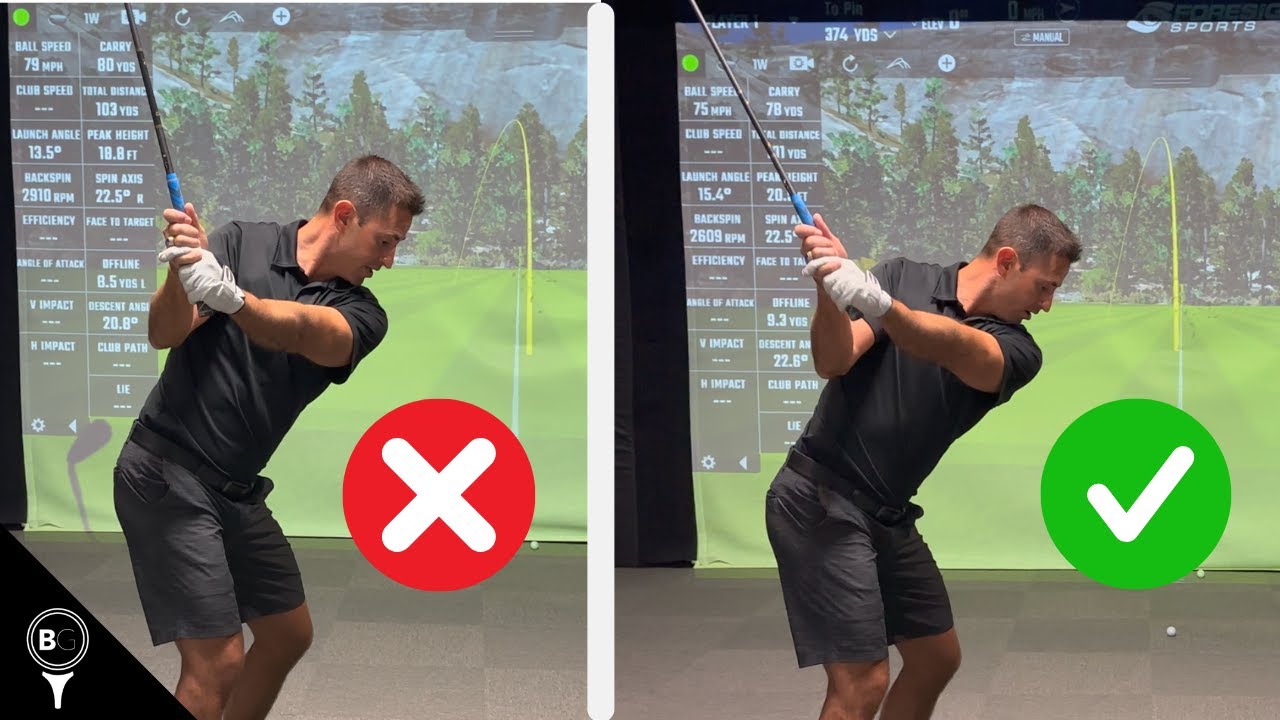
Here is the core problem with arm swinging that makes it so hard to fix with a thought alone.
Telling the arms to stop during a golf swing does not work. The swing happens too fast. The arms have been running the show for too long. And there is no way to consciously override them in the half second it takes to get from the top of the backswing to impact.
What does work is putting the arms in a position where they physically cannot swing the club. Where the only option available is to rotate the body and let the club follow.
At Berman Golf, this drill does exactly that. Four checkpoints that build the correct position, and one locking movement that removes the arms from the equation entirely and forces the body to finish the job.
Why Body Rotation Feels So Unnatural
Here is what makes this particular problem so persistent for almost every amateur golfer.
The arms are attached to the hands. The hands are holding the club. So the brain, which is trying to get the club to the ball as directly and efficiently as possible, reaches for the most direct connection it can find. The hands. The arms. Send those to the ball and the job is done.
The problem is that arms swinging at the ball is not how the most efficient or powerful delivery happens. Body rotation delivering the club through the ball is how it happens. But body rotation feels indirect. It feels like the ball is being ignored in favor of moving something else first. And the brain does not like ignoring the target.
The only way past this is to build a position that makes arm swinging impossible and body rotation the only available option. That is what the four checkpoint drill creates.
Checkpoint 1, Address Position
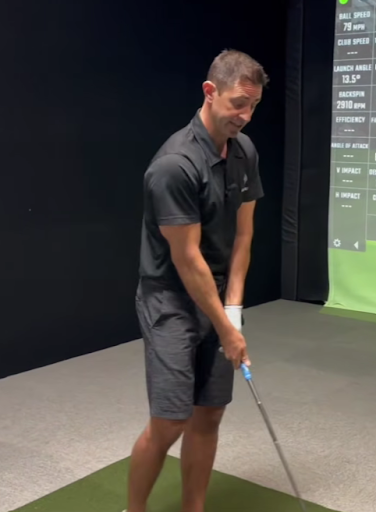
Chest up. Belly button pulled in. Pressure increasing through the inside of the trail foot before anything moves.
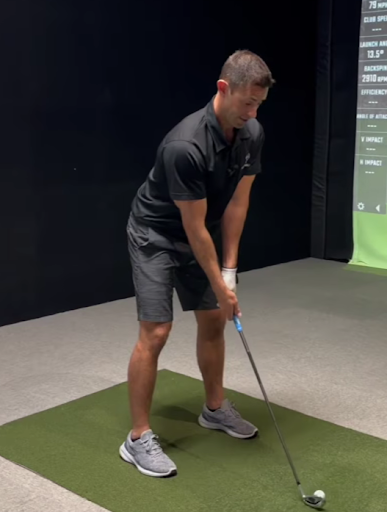
And here is one that gets overlooked almost every time. Hands relaxed. Do not strangle the club. A tight grip creates tension that runs up through the arms and into the shoulders, and tense arms are arms that want to take over the swing. Relaxed hands keep the arms loose enough to stay passive when the body takes over later.
Checkpoint 2, Halfway Into the Backswing
Here is the checkpoint that exposes the most common problem in amateur golf.
Go halfway into the backswing and stop. Check the belt buckle. Is it turning or is it still pointing at the ball?
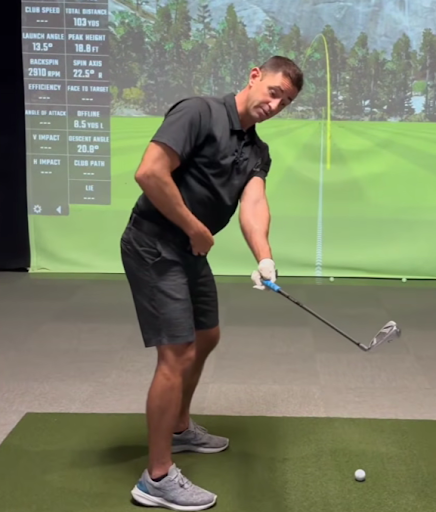
Eight out of ten amateur golfers at this position have a belt buckle that is still pointing at the ball. The hands went back. The arms went back. The belt buckle never moved.
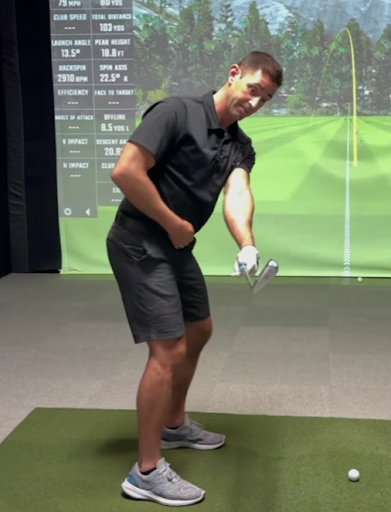
If the belt buckle is not turning by the halfway point, the hands initiated and the body was left behind. Everything downstream of that point is already compromised. The body cannot lead the downswing if it never led the backswing.
Belt buckle turning at halfway back. That is the only check at this checkpoint.
Checkpoint 3, Top of the Backswing
Here is where everything loaded in checkpoints one and two gets confirmed.
At the top of the backswing, the lead elbow is straight. The trail elbow is relaxed and hanging down. The core is engaged hard because the shoulder turn is creating real rotational tension. The trail foot is pressing harder through the ground than it was at address. The whole trail leg is working. The glute is on fire.
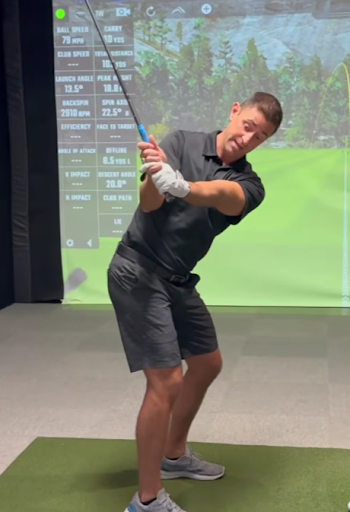
The low back is not hyperextended. The pressure is coming from muscular engagement, not from arching the back to create the appearance of a bigger turn.
If all of that is present, the backswing is loaded correctly and the body has something real to deliver from.
The Locking Position, the Icing on the Cake
Here is where this drill separates itself from every other body rotation tip.
From the top of the backswing, bring the arms straight down to hip height and lock them there. Hands at hip height, arms in front of the body, club hanging down.
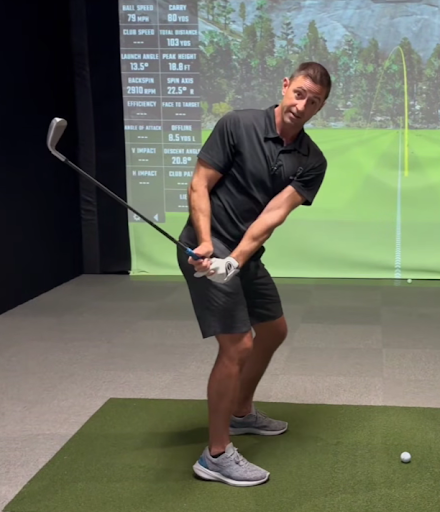
In this locked position, the arms physically cannot swing the club to the ball. The only movement available from here is body rotation. Turning the belt buckle through toward the target is the only thing that can deliver the club to the ball from this position.
That is the entire point of the drill. Not a swing thought. Not a reminder to use the body. A physical position that makes arm swinging impossible and leaves body rotation as the only available option.
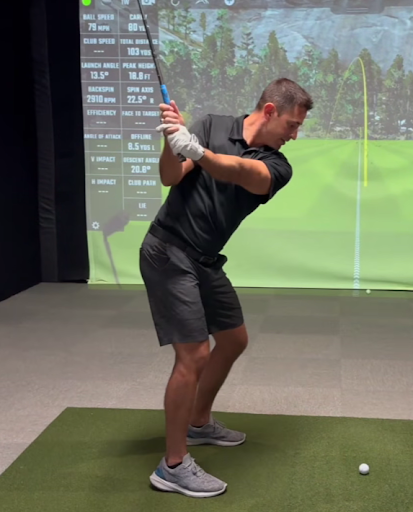
From the locked position, turn through the ball. Belt buckle to the target. Let the club follow the rotation. The hands stay relaxed throughout. The body does the work.
The Full Sequence
Here is the complete four step sequence put together.
Address. Chest up, core engaged, trail foot pressing, hands relaxed.
Halfway back. Check that the belt buckle is turning, not frozen at the ball.
Top of the backswing. Lead elbow straight, trail elbow relaxed, core tight, trail leg loaded and glute firing.
Drop to the locked position. Arms come straight down to hip height. Lock them there.
Turn through. Belt buckle rotates to the target. Club follows the body.
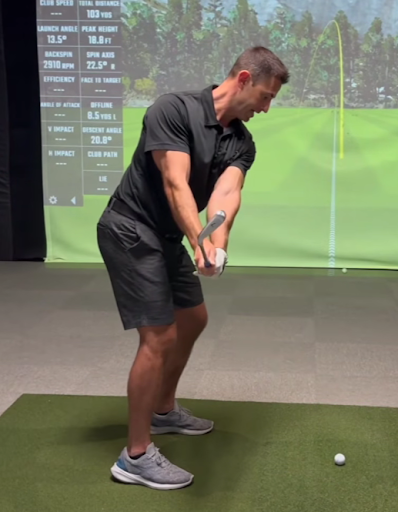
Do this at a slow, deliberate pace. One. Two. Three. Four. Five counts through the full sequence. Not a fast swing. A controlled, purposeful movement through each checkpoint.
What the Ball Contact Confirms
Here is what good contact from this drill actually feels like.
Not a powerful, effortful strike. A solid, easy contact that finds the sweet spot with less effort than usual, because the body delivered the club to the ball on the correct path instead of the arms steering it there with tension and manipulation.
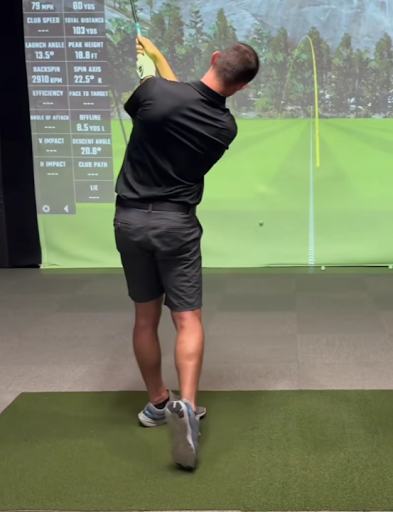
The ball flight from this drill is not going to be spectacular. That is not the goal. The goal is feeling what body delivered contact feels like, so the brain can start associating that feeling with correct ball striking instead of the hard, effortful arm swing it has been defaulting to.
Ten to twenty reps of this drill. Feeling the body hit the ball over and over. Building the association between body rotation and solid contact until the brain starts choosing rotation as its default delivery method instead of reaching for the arms.
Get a Free Swing Analysis
Want to know whether the belt buckle is actually turning halfway back and whether the arms are taking over before the body has a chance to deliver the club?
Set the camera or phone up at two angles. One from the front, face on. One from behind, down the line. Film in slow motion. Swing.
Send both videos to gaindistance.com and Dr. Berman will give a free swing analysis. The first one is on him.
See exactly what the camera shows, not what the brain thinks is happening. The halfway back belt buckle position and the arm takeover in the downswing are both clearly visible in slow motion even when they are completely invisible from the inside.
Want a Step-by-Step Blueprint?
If this resonates and the advice out there feels designed for 25-year-old tour pros, there is a simple blueprint built specifically for senior golfers.
It breaks down:
How the aging body changes Which muscles actually produce power How to gain distance without swinging harder How to improve consistency while reducing aches and pains
It is written at a fifth-grade reading level with clear visuals and practical drills that can start immediately.
A FREE digital copy is available at: 👉 gaindistance.com
No gimmicks. Just clarity on how the body should move to play better golf for years to come.
Bringing It All Together
Four checkpoints. One locking position. One body rotation to finish.
Address with chest up, core engaged, trail foot pressing, hands relaxed. Halfway back with the belt buckle turning. Top of the backswing with lead elbow straight, trail elbow relaxed, core tight, and trail leg loaded. Arms drop straight down to hip height and lock. Belt buckle turns through to the target.
The arms cannot swing the club from the locked position. Only the body can deliver it. That is the entire teaching of this drill, not a thought but a physical reality built into the position itself.
Ten to twenty reps. Feel the body hit the ball. Build the association. Then let the speed come naturally as the pattern holds.
At Berman Golf, the focus is biomechanics first. Not cookie cutter swings. The goal is teaching the body how it should move, especially as it ages, so power can be generated safely and repeated under pressure.
The in-house and online coaching programs are built specifically for senior golfers who want more distance and better consistency without beating up their bodies.
For anyone tired of advice designed for tour pros and ready for a blueprint built for their body, help is available.
Because when the arms are locked out of the equation and only the body can finish the swing, the club gets delivered to the ball the right way every single time.
And when the body delivers the club instead of the arms, the game gets soooooo much easier!
If you enjoyed what you read and want to see it in action, watch the video below where Dr. Berman demonstrates all four checkpoints and the locking position live on camera!