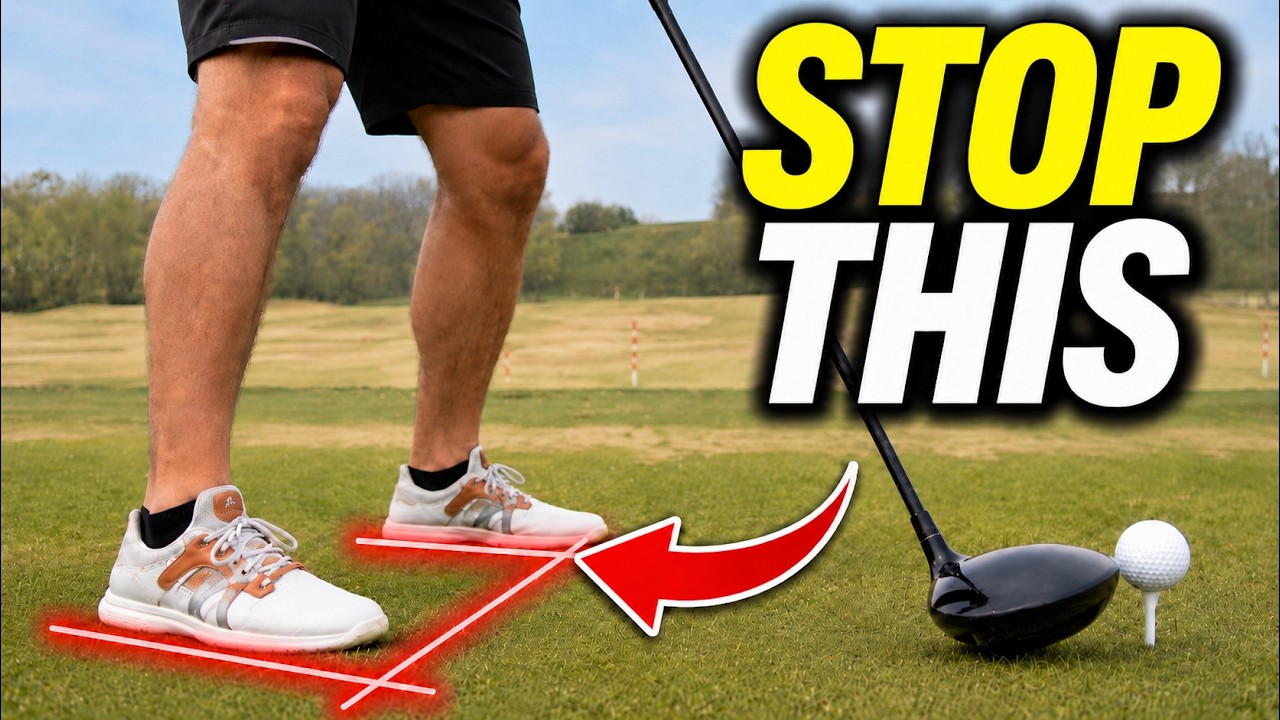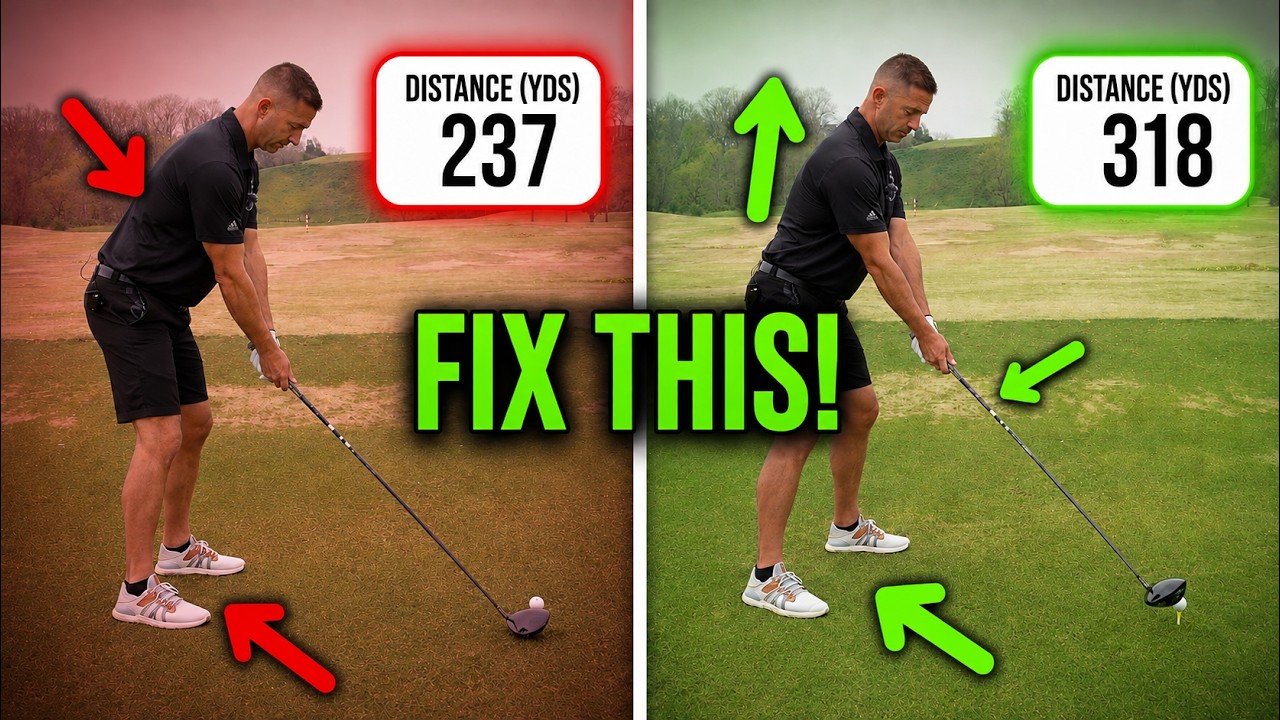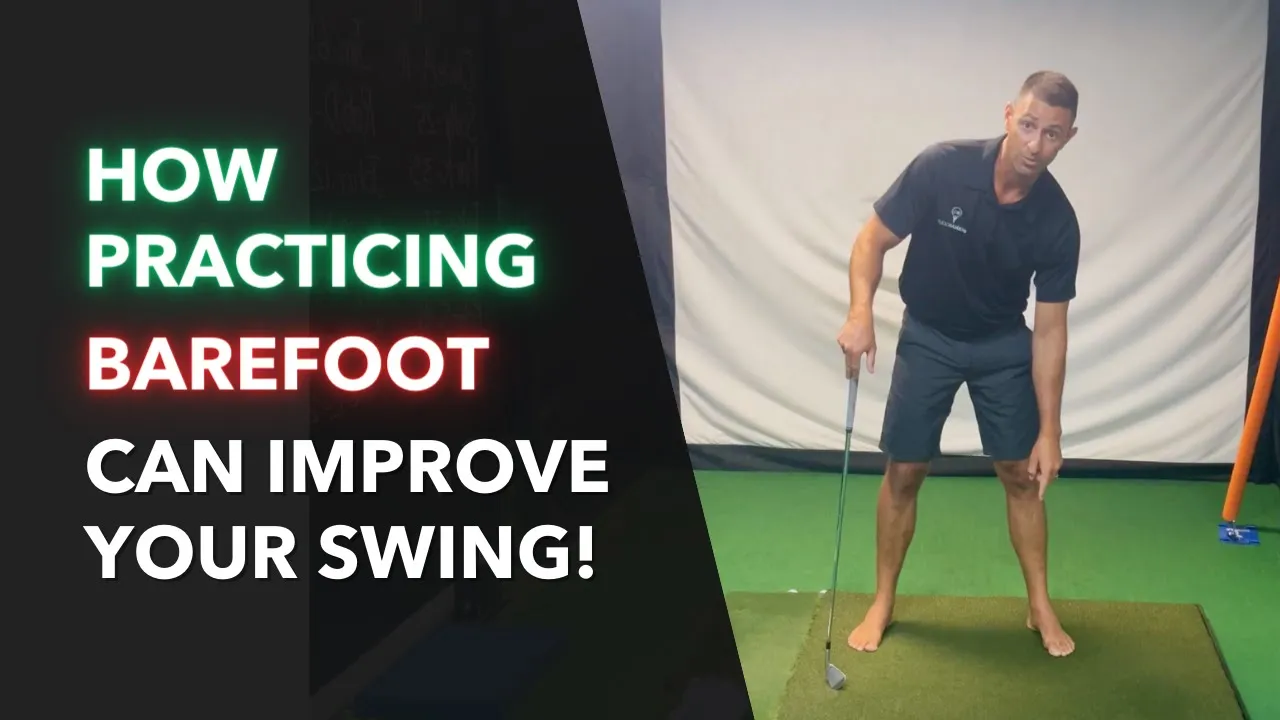
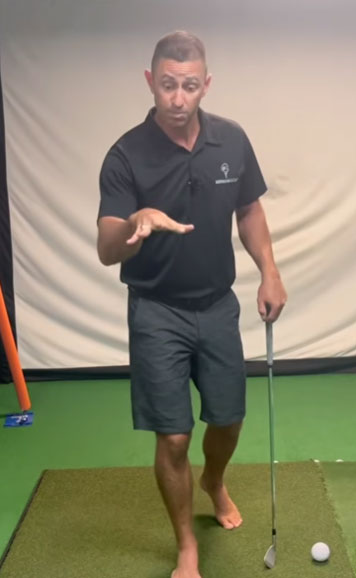
Who is this clown not wearing golf shoes?
That comment shows up constantly. And there is a very good reason why shoes come off for practice, one that has nothing to do with fashion and everything to do with the 32 muscles that most golfers are completely shutting off before they ever take a single swing.
At Berman Golf, barefoot practice is not a gimmick. It is one of the most direct ways to build the foundation that balance, stability, and glute activation all depend on. And once the reason is understood, it becomes hard to argue against.
The 32 Muscles Nobody Talks About
Here is something almost every golfer has never been told.
There are 16 muscles in the arch of one foot. Four layers of four muscles sitting right there in the arch. That is 32 muscles across both feet that are directly connected to balance, stability, and the ability to fire the glutes during the golf swing.
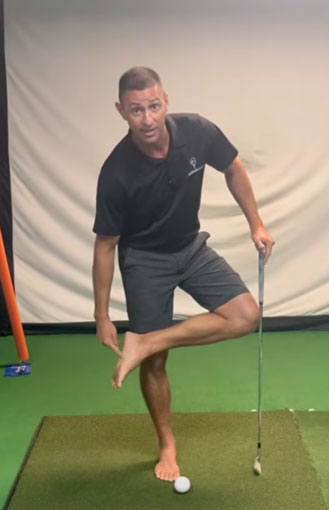
Here is the problem. The moment the foot goes into a shoe and gets laced up tight, especially with a pair of orthotics inside, those 32 muscles stop having to work. The shoe provides the external support. The internal support, the muscles, shuts down because the brain sees no need for them anymore.
No muscles working in the feet means no stable base for the golf swing. No stable base means the glutes cannot fire properly. And no glute activation means power leaks out before it ever gets to the club head.
What a Rolling Foot Actually Does to the Glute
Here is the connection most golfers miss entirely.
Take a slow motion video of the golf swing and zoom in on the trail foot at the top of the backswing. For most amateur golfers, the foot is rolling outward. The arch is lifting off the ground. The ankle is collapsing.
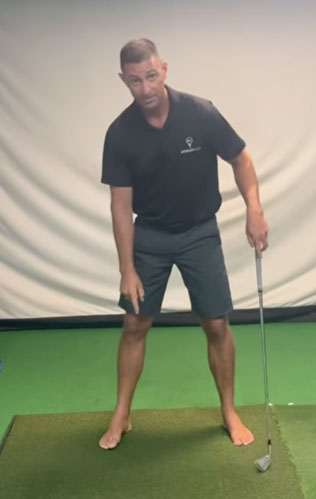
That rolling motion is not just a balance issue. It is a glute kill switch.
When the trail foot rolls out, the trail glute biomechanically cannot fire. The brain recognizes that the anchor point is unstable and shuts the glute down as a protective response. So every attempt to use the glutes during the backswing fails, not because of a lack of effort or strength, but because the foot is sending the brain a signal that there is no stable platform to fire from.
Fix the foot and the glute fires. It really is that direct.
The Stress Ball Drill, 32 Muscles Waking Up
Here is the drill that starts building those foot muscles immediately.
Take a stress ball and place it under the arch of the trail foot, in the front half of the arch closer to the big toe pad. Not far back toward the heel. Front half of the arch.
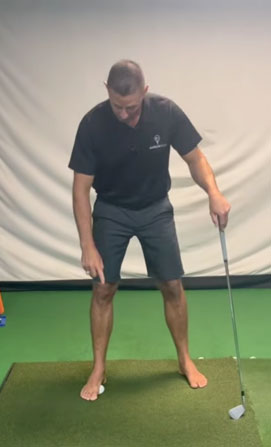
Get into address position. Now try to smash the stress ball without letting the trail knee buckle inward.
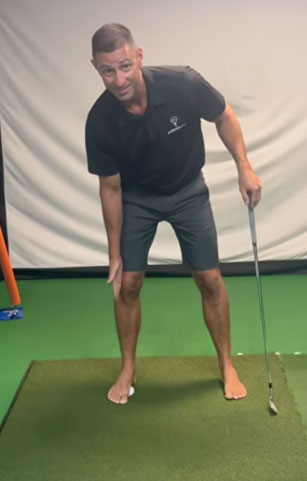
This sounds simple. For most golfers, it is genuinely difficult at first. The knee wants to cave in because the intrinsic foot muscles are too weak to hold the arch stable while pressing down. That difficulty is the proof that those 32 muscles have not been working and need to be trained.
Keep at it. It may take weeks. It may take a couple of months to feel the arch holding firm while the knee stays stable. That is normal. The muscles are being asked to do a job they have not had to do in years.
Progress Into the Backswing
Once smashing the stress ball at address without the knee buckling starts to feel manageable, here is the next step.
Start working the stress ball into the backswing. As the belt buckle turns and the backswing builds, keep increasing the pressure on the stress ball throughout the rotation.
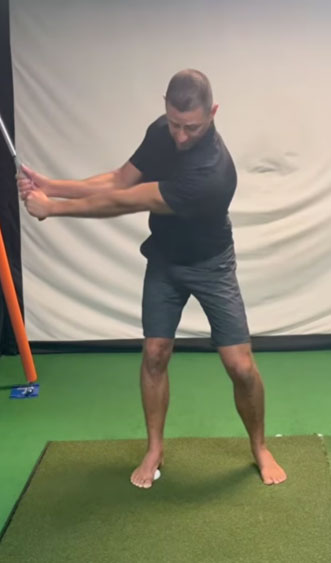
More pressure as it goes back. More pressure at the halfway point. At the top of the backswing, smash that stress ball as hard as possible.
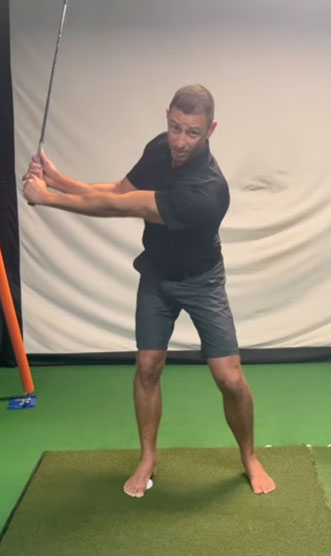
Here is the catch. The trail knee must stay bent throughout this entire sequence. A straight trail knee makes smashing the stress ball impossible. The moment the knee straightens, the arch cannot press down into the ball and the pressure disappears.
That is the same reason glute activation disappears when the trail knee straightens in the backswing. The chain from foot to glute requires a bent knee to stay intact. Straight knee breaks the chain. Bent knee keeps it connected.
When the stress ball can be smashed hard at the top of the backswing with the knee staying bent, the glutes fire. The brain now has a stable anchor point and allows the glutes to do their job.
How to Translate This to the Course
Here is the practical application for taking this off the practice floor and onto the golf course.
First, take the orthotics out of the shoes. The orthotics are providing external arch support that tells the 32 foot muscles they do not need to work. Remove that external support and the muscles have to start contributing again.
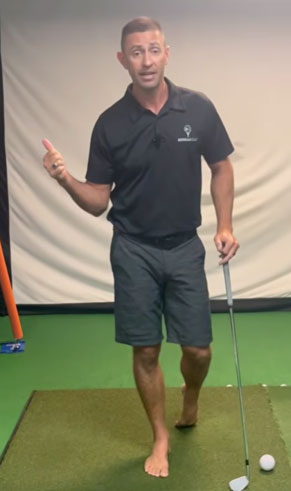
Second, only lace the shoes up tight enough so they do not slip off the heel while walking. Not cranked down tight. Just snug enough to stay on.
That looser lacing allows the forefoot and toes to splay naturally with each step, the way the foot was designed to move. When the forefoot can splay, the muscles work. When the shoes are laced so tight that nothing can move, the muscles go quiet again and the external support takes over.
The goal on the course is not barefoot. It is letting the foot move inside the shoe the way it is supposed to move, with muscles doing the stabilizing instead of leather and lacing.
The Take Home Message
Here is the simplest version of everything covered in this drill.
Practice barefoot as much as possible. Inside, at home, during drills and training sessions. The driving range may frown upon it, but training environments should be barefoot whenever possible so those 32 muscles start waking up and getting stronger.
Use the stress ball drill at address first. Get the arch pressing down without the knee buckling. Then bring it into the backswing and smash it at the top. Build the strength over weeks and months.
On the course, ditch the orthotics and loosen the laces. Let the foot do its job.
Nobody ever said fewer muscles made for a better golf swing.
Get a Free Swing Analysis
Want to know whether the trail foot is rolling at the top of the backswing and whether that is shutting down glute activation right now?
Set the camera or phone up at two angles. One from the front, face on. One from behind, down the line. Film in slow motion. Swing and zoom in on the trail foot at the top of the backswing.
Send both videos to gaindistance.com and Dr. Berman will give a free swing analysis. The first one is on him.
See exactly what the camera
shows, not what the brain thinks is happening. Then there is clarity on whether the foot is the reason the glutes have not been firing.
Want a Step-by-Step Blueprint?
If this resonates and the advice out there feels designed for 25-year-old tour pros, there is a simple blueprint built specifically for senior golfers.
It breaks down:
How the aging body changes Which muscles actually produce power How to gain distance without swinging harder How to improve consistency while reducing aches and pains
It is written at a fifth-grade reading level with clear visuals and practical drills that can start immediately.
A FREE digital copy is available at: 👉 gaindistance.com
No gimmicks. Just clarity on how the body should move to play better golf for years to come.
Bringing It All Together
Thirty two muscles across both feet are being shut off by tight shoes and orthotics. When those muscles stop working, the arch rolls, the glute cannot fire, and the entire power chain from the ground up falls apart.
Practice barefoot as much as possible to wake those muscles up. Use the stress ball drill, front half of the arch, close to the big toe pad, smash it at address without the knee buckling, then carry that pressure into the backswing and smash it hardest at the top. Ditch the orthotics. Loosen the laces just enough to keep the shoe from slipping off the heel.
At Berman Golf, the focus is biomechanics first. Not cookie cutter swings. The goal is teaching the body how it should move, especially as it ages, so power can be generated safely and repeated under pressure.
The in-house and online coaching programs are built specifically for senior golfers who want more distance and better consistency without beating up their bodies.
For anyone tired of advice designed for tour pros and ready for a blueprint built for their body, help is available.
Because when the feet are strong, stable, and actually working, the glutes fire, the swing has a real foundation, and everything built on top of it gets better.
And when the whole chain from the ground up is working, the game gets soooooo much easier!
If you enjoyed what you read and want to see it in action, watch the video below where Dr. Berman walks through the full barefoot and stress ball drill!