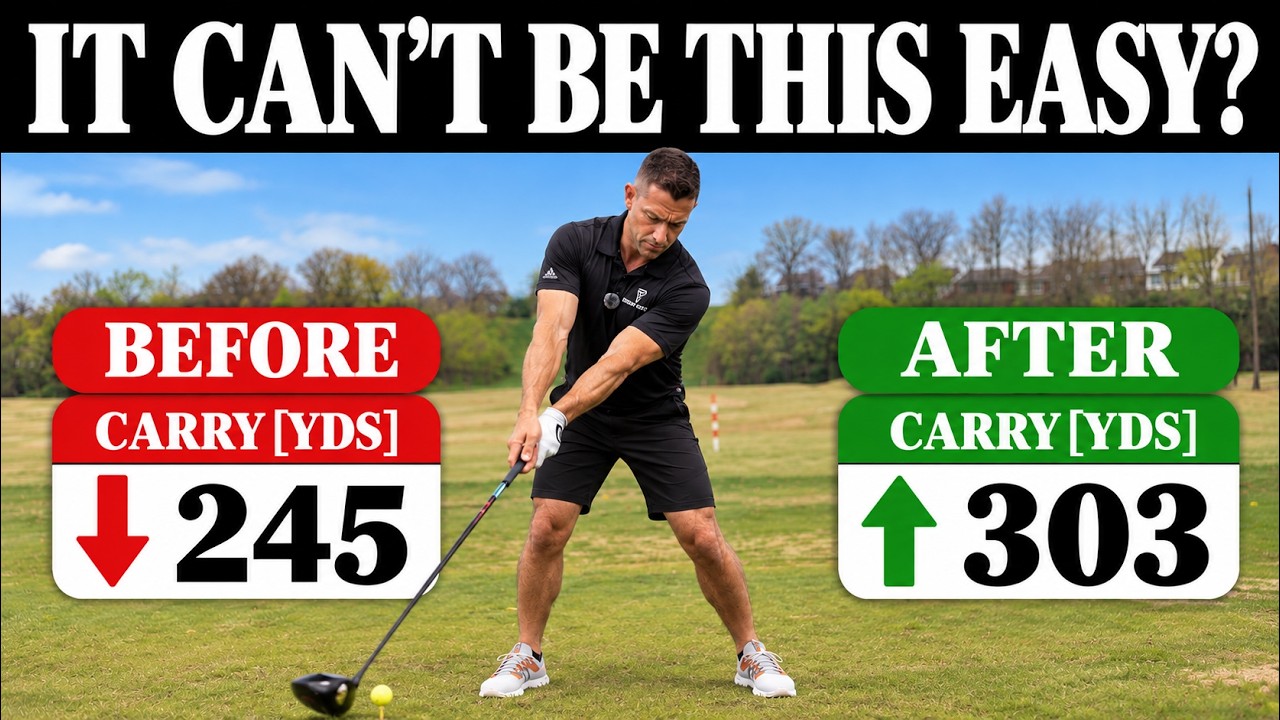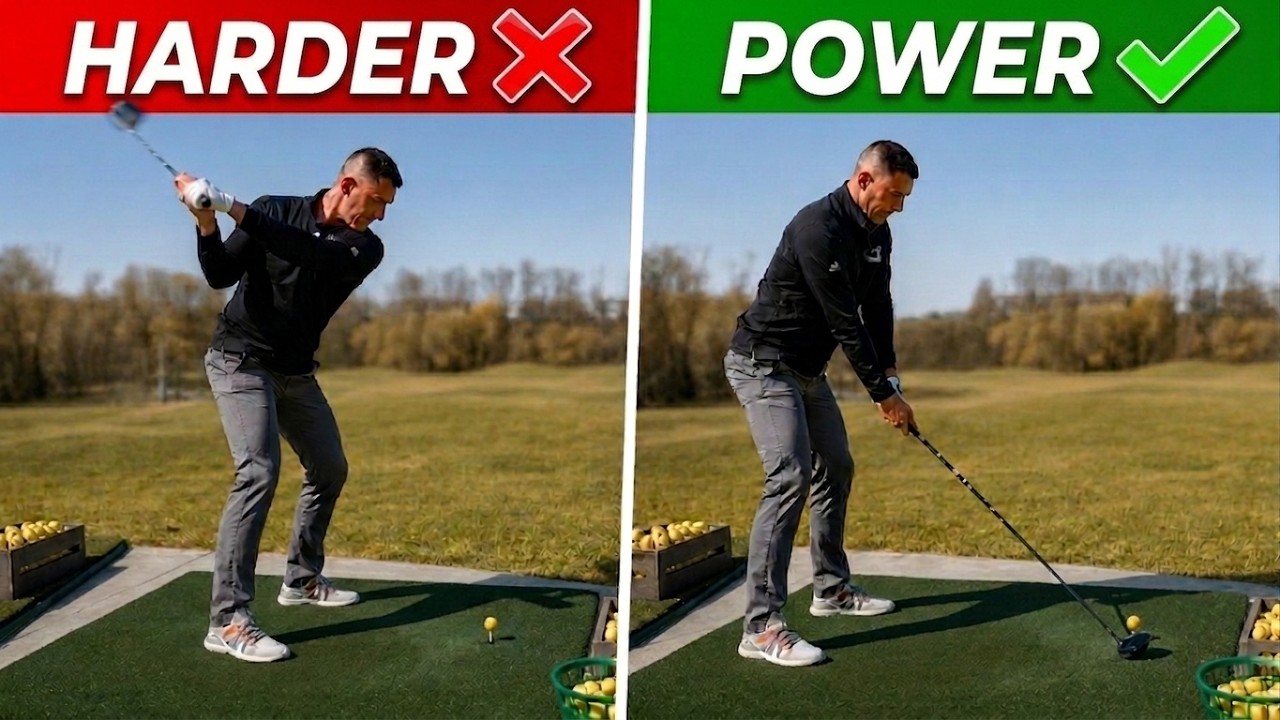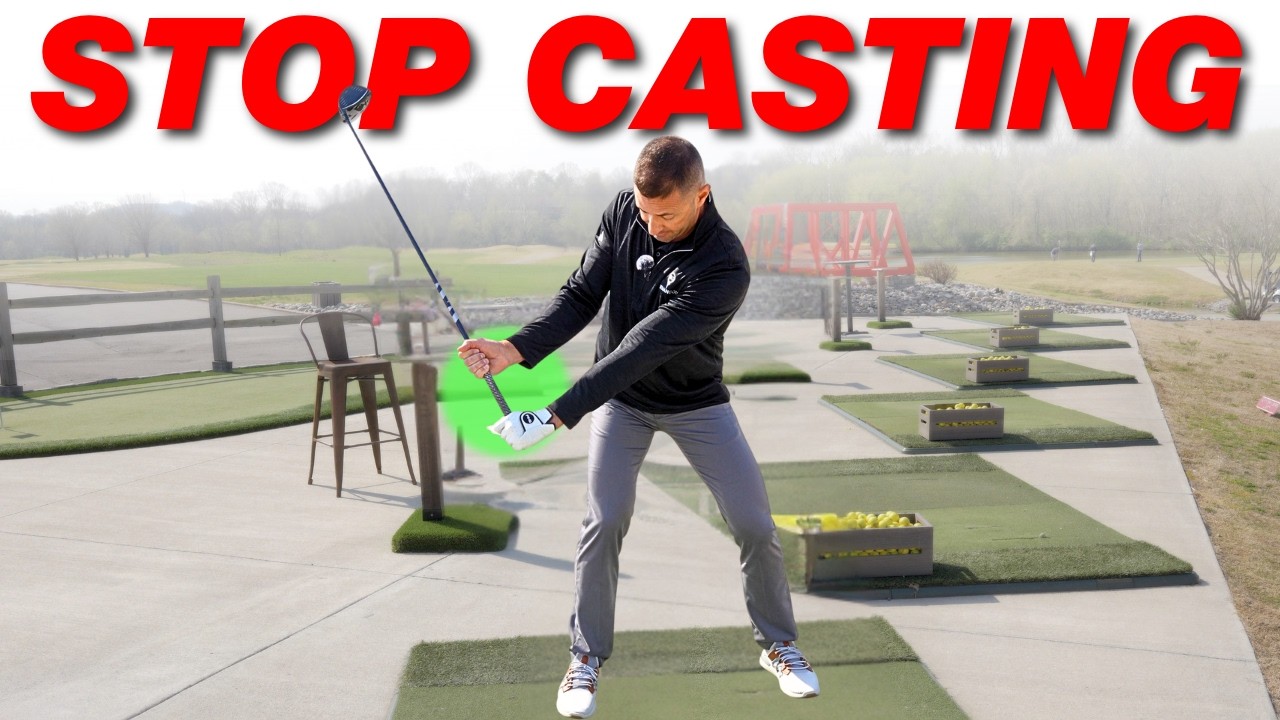
Here is the honest diagnosis for every golfer who knows they cast or flip at the ball and cannot stop.
The casting does not start in the downswing. It starts in the backswing.
That sounds backwards, because casting feels like a downswing problem. But Dr. Berman says two moves in the backswing put the body in a position where the only thing left to do is cast. Poor ball striking and lost distance follow, and the golfer is left wondering why.
At Berman Golf, the fix is to stop those two moves and train the opposite ones.
Mistake #1: The Right Knee Straightens
Here is the first move to stop.
On the way into the backswing, the right knee straightens. That causes a reverse tilt. The golfer stands up and loses spine angle.
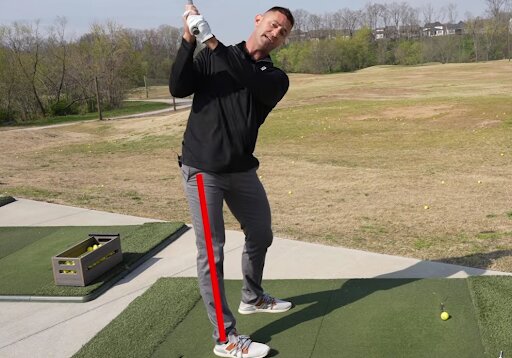
Once the spine angle is gone, the body has to find a way to get back to the ball. That is where the trouble begins.
Mistake #2: The Lead Elbow Bends
Here is the second move to stop.
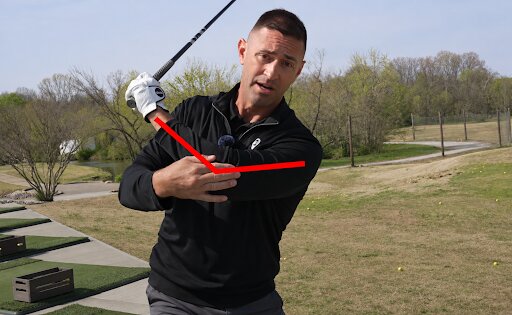
The lead elbow bends going back. Dr. Berman says most golfers are doing this, whether they feel it or not.
Why Casting Becomes Physically Impossible to Avoid
Here is how the two mistakes combine.
A straight right knee and a bent left elbow force the golfer to cast the club to undo the position and come back down. Dr. Berman says it is physically impossible not to cast from there. The golfer has put the body in a spot where the only available option is to cast and flip at the ball.
The result is early extension and a horrible shot. Willpower will not fix this, because the position leaves no other choice.
The Drill That Wakes These Muscles Up
Here is the problem most seniors run into next.
The muscles needed to do the opposite are not strong enough yet. They shake. The left elbow will not stay straight, even when trying to push it. Dr. Berman says that is very common, and the next drill is how to build that strength.

Step 1: The Setup
Here is the exact setup.
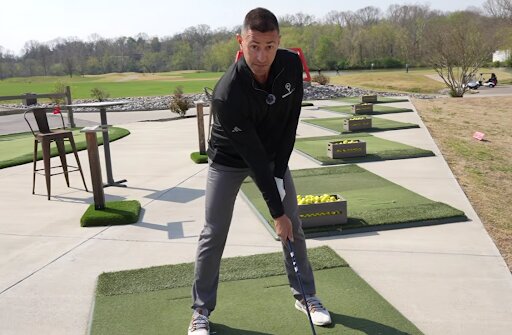
Put a tee under the arch of the right foot, just inside or just behind the knuckle of the big toe. Take a wider stance than normal. Then use a split grip, with the right hand halfway off the grip.
Step 2: The Two Opposite Moves
Here is the drill itself. Go halfway back. At that point, do two things at the same time.
Slightly increase the bend in the right knee, so the foot is smashing the tee.
Push the left knuckles away.

That is increasing the bend in the right knee and increasing the straightening of the left elbow. These are the exact opposite of the two moves causing the casting. Most golfers straighten the knee and bend the elbow. The drill trains the reverse.
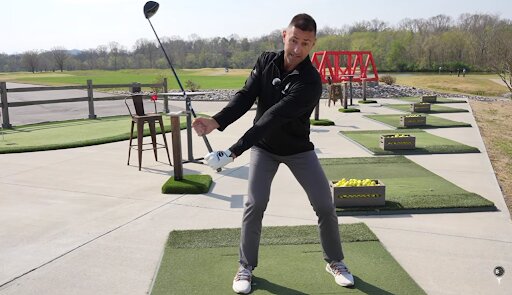
Now the big power muscles in the shoulders and the glutes are working. The muscles in the feet are working too. The brain learns that it can load onto the trail leg and keep the lead elbow extended.
Step 3: Build Up to Parallel
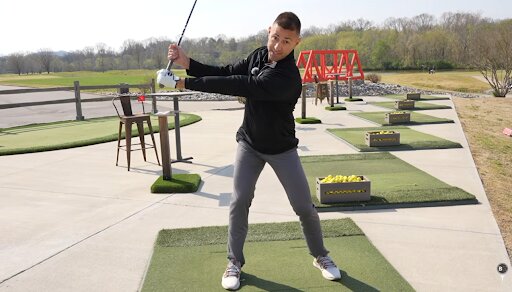
Once that feels good, gradually increase how far back to go, until the lead arm reaches parallel. That is the end goal. When the golfer can reach parallel, the muscles are really waking up.
Move From the Split Grip to a Baseball Grip
Here is how to bring the drill into a real swing.
Nobody is going to hit the ball with a split grip, like a hockey club. As the muscles get stronger, move to a baseball grip and do the exact same thing. Increase the pressure on the head of the tee. Keep pushing the left elbow away.
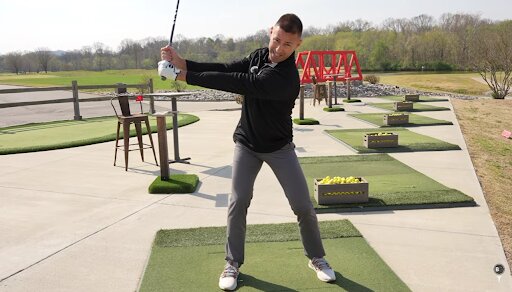
The focus is on extension of the left elbow. The core should be firing like crazy.
Finish With Your Normal Grip
Once that feels good, go to the normal grip. See if the left elbow can stay straight and the right knee can stay bent. Then repeat it over and over.
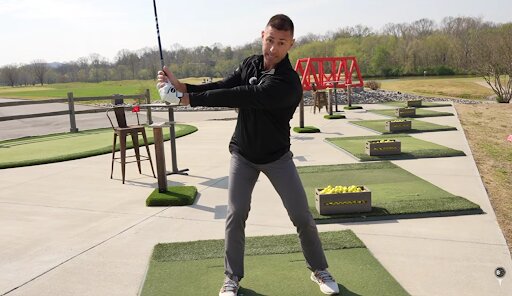
The goal is parallel. Not above parallel, and not further back. Train the drill to parallel. When it comes time to hit a real ball, the swing will go higher on its own.
Tempo Is the Glue
Here is the piece that holds it all together.
Tempo. Do not go fast. Faster momentum is going to take the golfer back into a bent position and straighten that knee again.
Dr. Berman wants everyone to pay attention here. The slower the backswing, the more muscles stay activated. The more muscles stay activated, the farther the ball goes.
So when the full swing comes, slow down the backswing. Bend the right knee. Straighten the left elbow. Then let it go.
Get a Free Swing Analysis
Want to know whether the right knee is straightening and the lead elbow is bending in the backswing right now?
Set the camera or phone up at two angles. One from the front, face on. One from behind, down the line. Film in slow motion. Swing.
Send both videos to gaindistance.com and Dr. Berman will give a free swing analysis. The first one is on him.
See exactly what the camera shows, not what the brain thinks is happening. The bend in the right knee and the straightness of the lead elbow at the top of the backswing are two of the clearest things visible in slow motion, and two of the most commonly missed from the inside.
Want a Step-by-Step Blueprint?
If this resonates and the advice out there feels designed for 25-year-old tour pros, there is a simple blueprint built specifically for senior golfers.
It breaks down:
How the aging body changes
Which muscles actually produce power
How to gain distance without swinging harder
How to improve consistency while reducing aches and pains
It is written at a fifth-grade reading level with clear visuals and practical drills that can start immediately.
A FREE digital copy is available at: 👉 gaindistance.com
No gimmicks. Just clarity on how the body should move to play better golf for years to come.
Bringing It All Together
Casting starts in the backswing. A straightening right knee and a bending lead elbow put the body in a spot where casting is the only option. Fix the two moves, and the cast loses its reason to exist.
Train the opposite with the split grip tee drill. Tee under the arch of the right foot. Wider stance. Right hand halfway off the grip. Go halfway back, bend the right knee into the tee, and push the left knuckles away. Progress to a baseball grip, then a normal grip, always to parallel. And keep the tempo slow, because the slower the backswing, the more muscles stay on.
At Berman Golf, the focus is biomechanics first. Not cookie cutter swings. The goal is teaching the body how it should move, especially as it ages, so power can be generated safely and repeated under pressure.
The in-house and online coaching programs are built specifically for senior golfers who want more distance and better consistency without beating up their bodies.
For anyone tired of advice designed for tour pros and ready for a blueprint built for their body, help is available.
Because when the right knee stays bent and the left elbow stays straight, casting is not something to fight anymore. The club just stops flipping.
And when the casting stops, the game gets soooooo much easier!
If you enjoyed what you read and want to see it in action, watch the video below where Dr. Berman demonstrates the split grip drill!