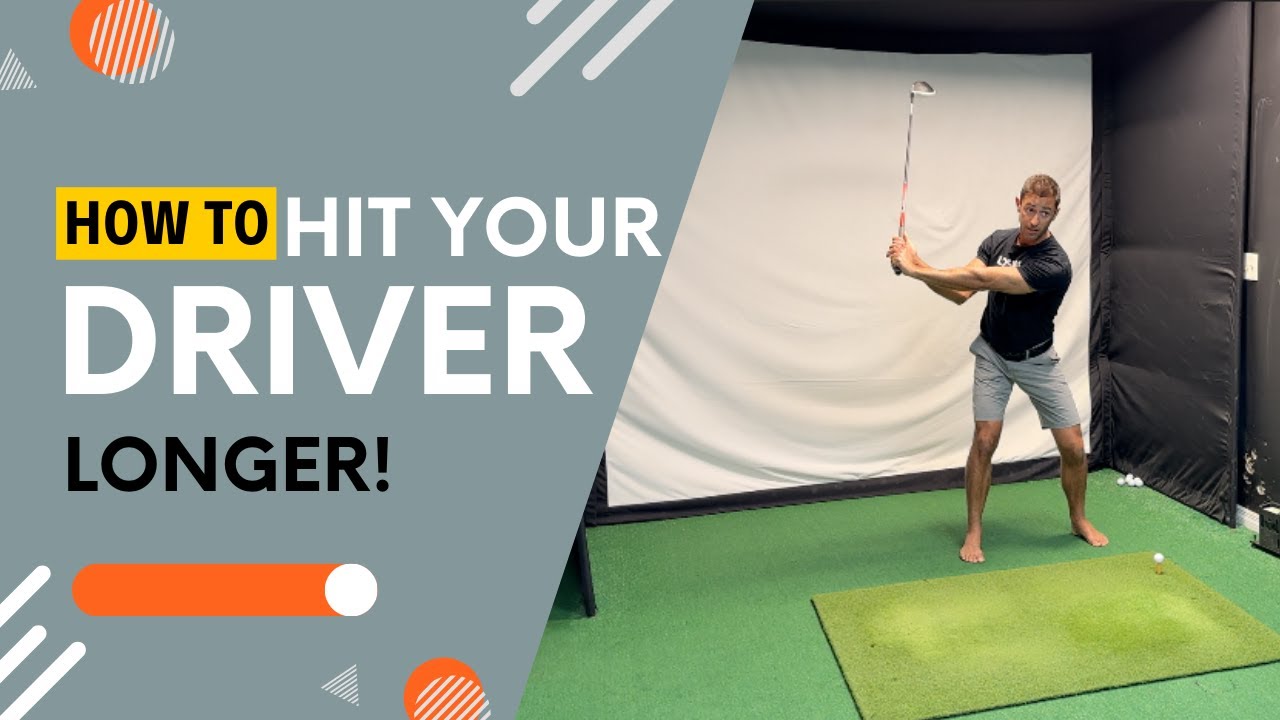
Three things. That is the entire list.
Not a swing overhaul. Not a new driver. Not a lesson that costs hundreds of dollars and leaves more confusion than clarity. Just three simple adjustments that work together to add real distance off the tee, specifically for golfers 50 and older who feel like the driver has gotten shorter no matter what they try.
At Berman Golf, these three things come up in nearly every session with aging golfers who are losing distance. They are not advanced techniques. They are foundational patterns that have quietly stopped happening, and getting them back does not require athleticism or flexibility. It requires awareness and deliberate practice.
Tip 1, Stop Over Swinging
Here is the counter intuitive one that needs to be addressed first because it is the easiest to see and the most immediately fixable.
Most aging golfers trying to gain distance are wrapping the club around their neck in an attempt to get more length in the backswing. The logic feels right. More backswing equals more distance. The result says otherwise.
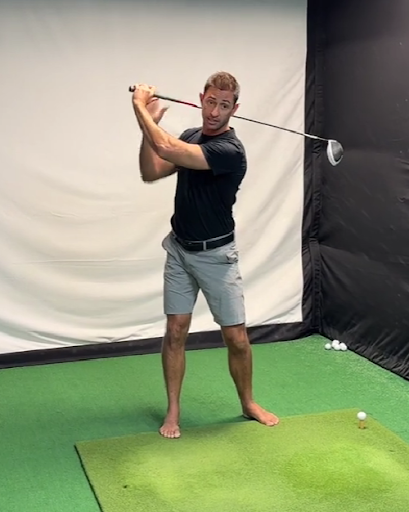
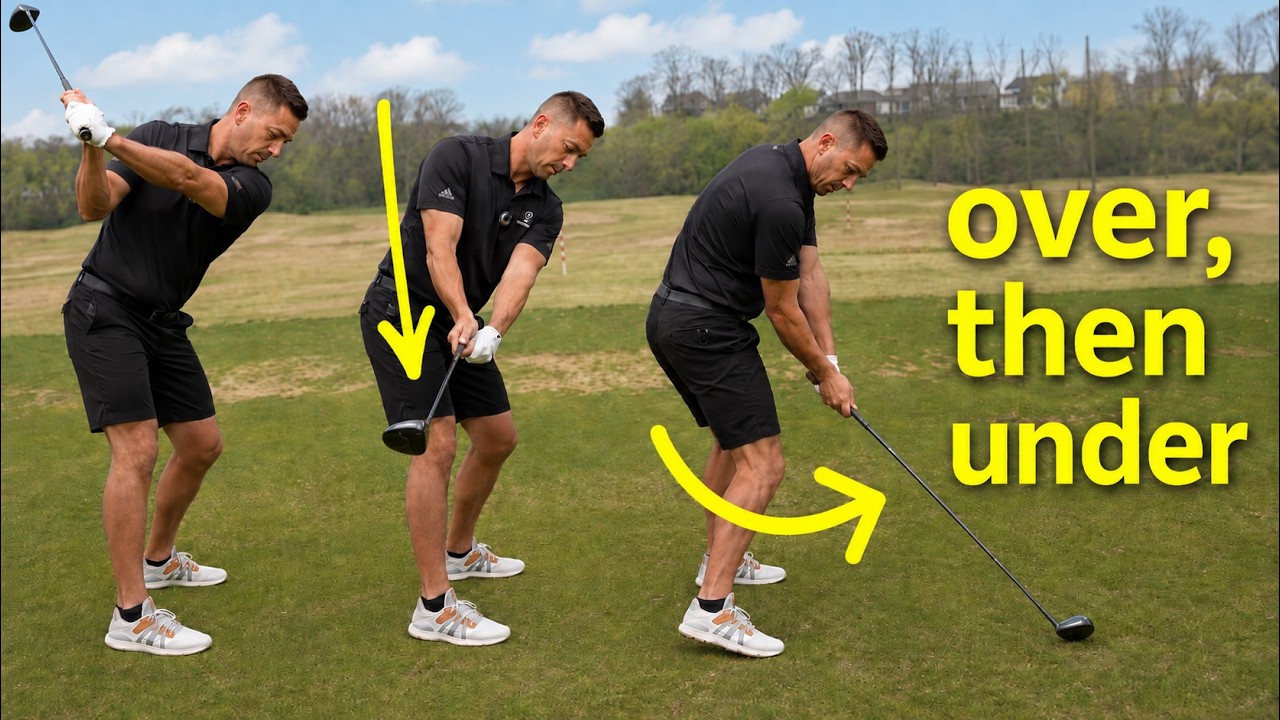
Here is what actually happens when the backswing goes past the point the lead elbow can maintain straight. The lead elbow bends. The moment that elbow bends, the body loses its ability to lead the downswing. The arms have to take over because the body has been taken out of the equation by the collapsed arc. The result is a flip, an arm swing, and contact that is weak and inconsistent regardless of how far back the club traveled.
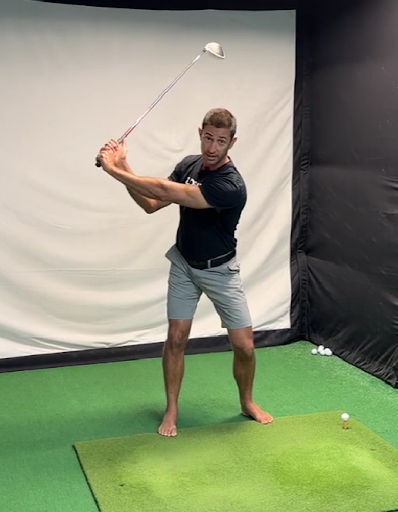
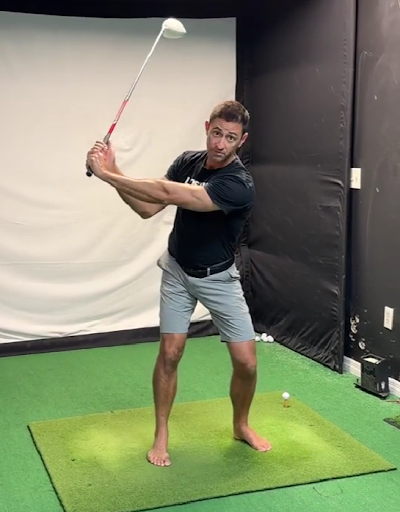
The fix is simple. Only go back as far as the lead elbow can stay completely straight. Not mostly straight. Completely straight. That is the real limit of the backswing. Everything past it is borrowed from the elbow and produces no additional power.
When the backswing stops where the body can actually load and deliver from, distance goes up. Not down. Up. Because the power being generated at that shorter position is real power from real muscles, not the illusion of a longer swing that the arms cannot unwind correctly.
Tip 2, Engage the Core at Address
Here is the step most golfers skip because nobody ever taught them specifically how to do it.
Engaging the core is not holding the breath and tensing everything. It is a specific, subtle, sustainable activation that has to happen before the backswing begins, because the swing moves too fast to engage the core reactively once it is in motion.
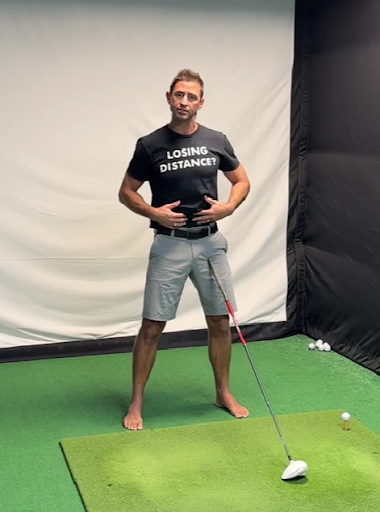
Think about pulling on a tight pair of pants. That slight inward drawing of the belly button toward the spine. Or think about bracing for a light punch to the stomach, not a heavy blow, just enough tension to resist it. That level of engagement. Belly button in. Keep breathing throughout. Do not hold the breath.
That is an engaged core. It does not feel dramatic. It feels subtle. And that subtlety is exactly right. The core should be quietly working in the background, not clenched so hard that movement becomes impossible.
Once the core is engaged at address, it needs to stay engaged through the entire backswing and into the downswing. Set it first. Keep it on.
Tip 3, Load the Right Side, Not Just Shift to It
Here is the tip that requires the most patience to learn but produces the biggest return on investment for driver distance.
Most aging golfers believe they are loading their trail side during the backswing. Most of them are shifting onto their trail side without actually loading it. Those two things feel identical from the inside and produce completely different results.
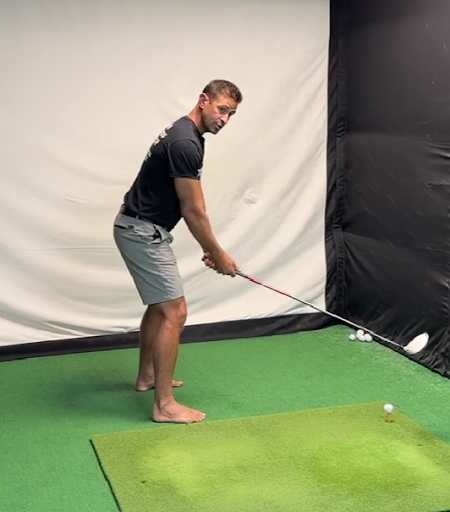
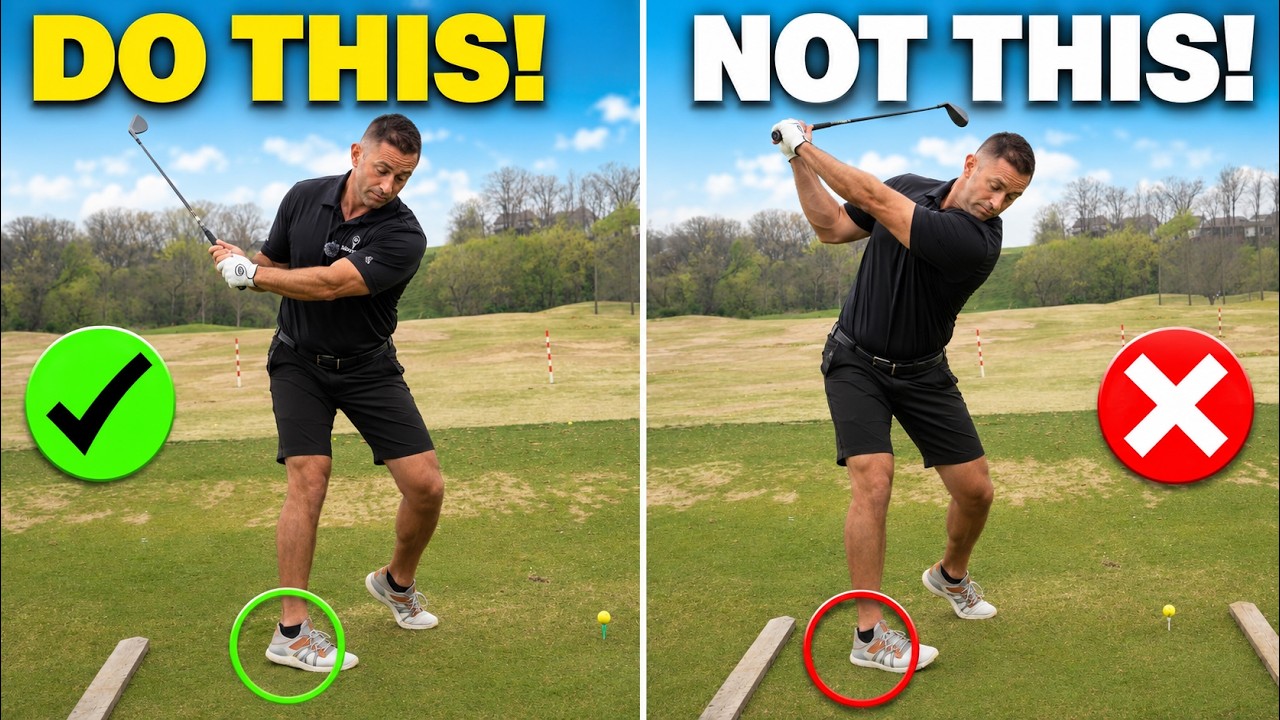
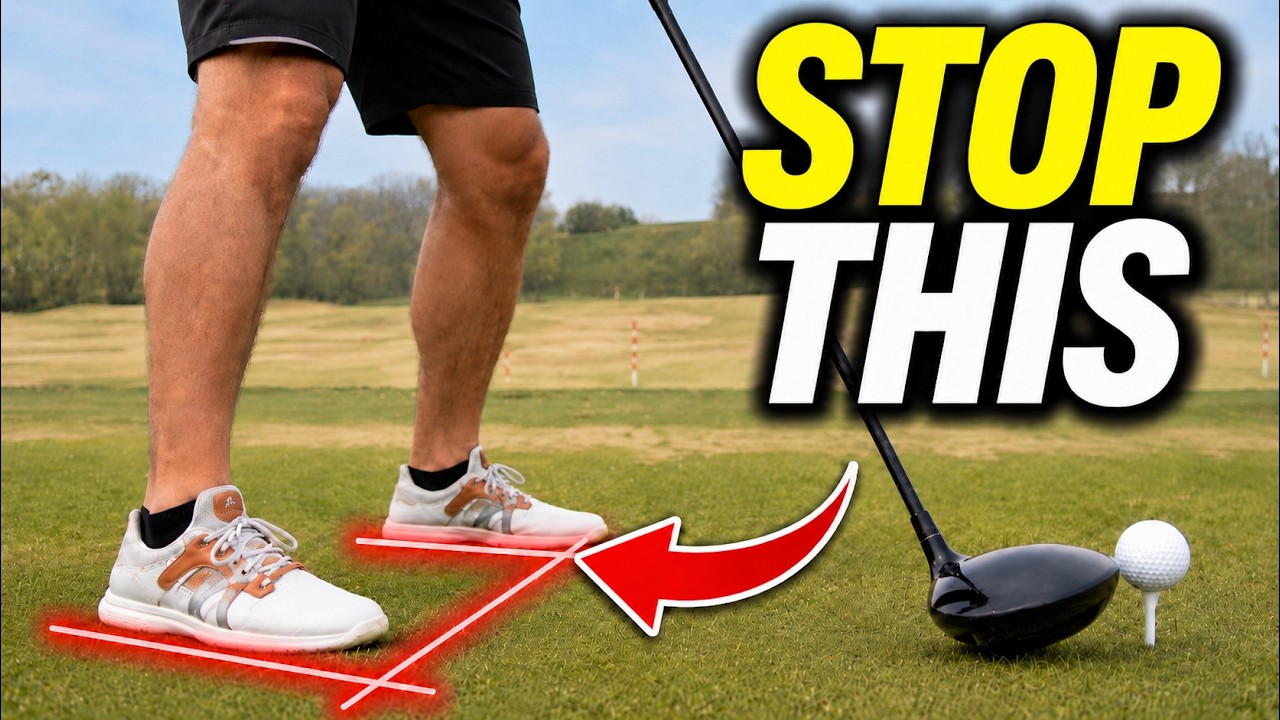
Loading requires the trail knee to stay bent throughout the entire backswing. When the trail knee straightens, which is the most common flaw in aging golfer backswings, the glutes cannot fire. It is biomechanically impossible. A straight knee eliminates the loading chain from the foot up through the glute.
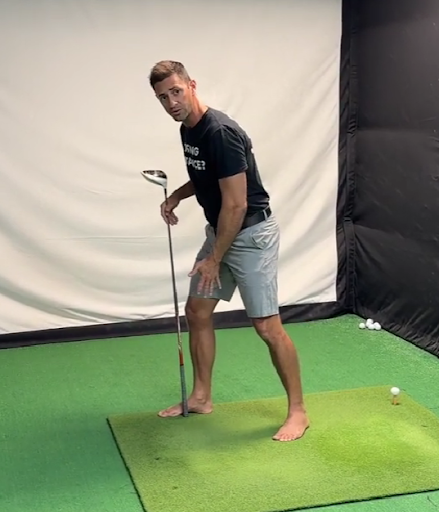
Here is the cue that makes keeping the knee bent automatic.
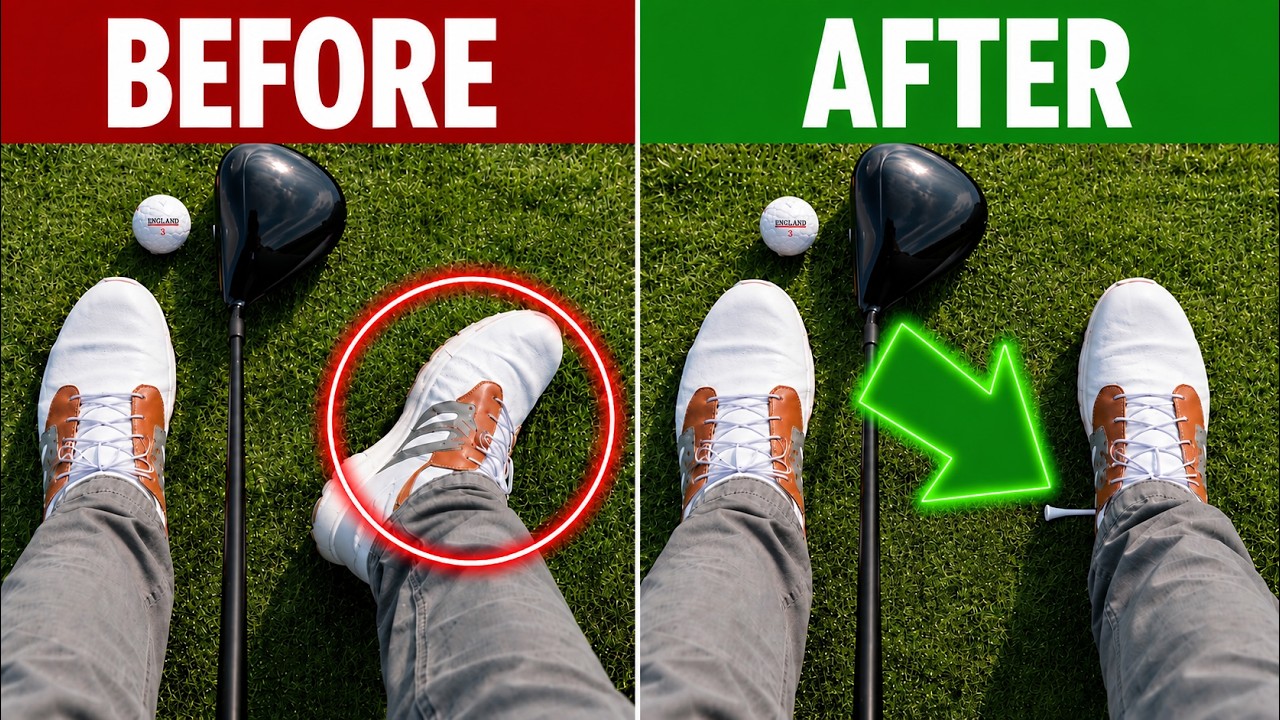
Push pressure through the inside of the trail foot. The arch. The middle of the foot, not the heel and not the toes. Think about pressing through the inside of the arch as the backswing builds.
Here is the direct test. If the trail knee straightens, pressing through the inside of the arch becomes impossible. The knee straightening and the arch pressure disappearing happen at the exact same moment. So maintaining the arch pressure automatically keeps the knee bent.
Go slowly during practice. Really slowly. Belt buckle leading into the backswing, pressure increasing through the inside of the trail foot, knee staying bent, left elbow staying straight. All three at the same time.
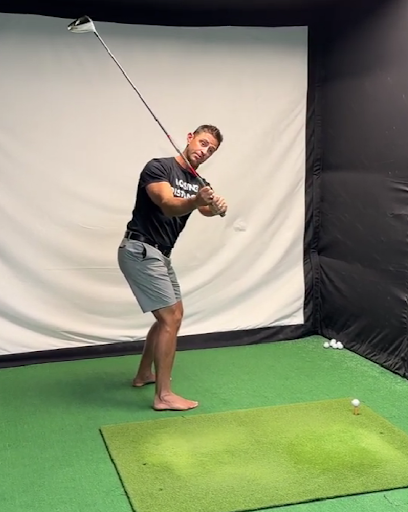
Hold at the top for three Mississippi counts. That hold is what lets the brain register what a properly loaded position actually feels like from the inside.
Putting All Three Together
Here is the full sequence with all three tips working simultaneously.
Address position. Core engaged, belly button pulled in, still breathing. Pressure increasing through the inside of the trail foot arch.
Begin the backswing slowly. Belt buckle leading. Pressure through the trail foot increasing as the rotation builds. Trail knee staying bent. Lead elbow staying completely straight. Head still.
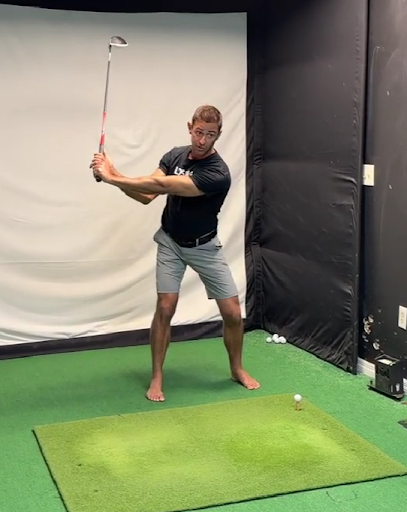
Hold at the top. One Mississippi. Two Mississippi. Three Mississippi. Feel what is working. Core tight. Trail glute loaded. Lead elbow straight. All of it present.
Return to address. Breathe. Reset. Go again.
Ten reps. Three second holds each. Rest. Do it ten more times. Work up to fifty reps throughout the course of a single day. That volume of deliberate practice, without a ball and without the pressure of a result, is what builds the motor pattern that shows up automatically on the course.
Do Not Take This to the Range First
Here is the one rule that determines whether this drill produces results or just frustration.
Do not do this on the driving range. Not yet.
The range introduces a ball. The ball introduces a result. The brain switches from building a pattern to chasing a result. And the moment that switch happens, all three tips get abandoned in favor of whatever gets the ball in the air.
Build the pattern at home. Fifty reps without a ball, feeling all three things working together, over the course of a day. Then another fifty the next day. Then another fifty after that.
When all three are working automatically without conscious thought on every rep, bring it to the range. Start with slow motion swings without a ball. Then add the ball gradually.
The course is where the pattern gets tested. The living room is where it gets built.
Get a Free Swing Analysis
Want to know whether over swinging, core dropout, or trail knee straightening is costing the most driver distance right now?
Set the camera or phone up at two angles. One from the front, face on. One from behind, down the line. Film in slow motion. Hit a driver.
Send both videos to gaindistance.com and Dr. Berman will give a free swing analysis. The first one is on him.
See exactly what the camera shows, not what the brain thinks is happening. The lead elbow position at the top and the trail knee angle during the backswing are both clearly visible in slow motion and almost always reveal exactly which of the three tips is the biggest priority.
Want a Step-by-Step Blueprint?
If this resonates and the advice out there feels designed for 25-year-old tour pros, there is a simple blueprint built specifically for senior golfers.
It breaks down:
How the aging body changes Which muscles actually produce power How to gain distance without swinging harder How to improve consistency while reducing aches and pains
It is written at a fifth-grade reading level with clear visuals and practical drills that can start immediately.
A FREE digital copy is available at: 👉 gaindistance.com
No gimmicks. Just clarity on how the body should move to play better golf for years to come.
Bringing It All Together
Three tips. Stop over swinging by keeping the lead elbow straight throughout the backswing. Engage the core at address by pulling the belly button in and keeping it on. Load the trail side by maintaining trail knee flex and pressing through the inside of the trail foot arch.
All three working simultaneously, practiced slowly without a ball, ten reps at a time with three second holds, building up to fifty reps per day.
Do not take it to the range until the pattern is automatic. Build it at home first. Test it on the range second. Trust it on the course third.
At Berman Golf, the focus is biomechanics first. Not cookie cutter swings. The goal is teaching the body how it should move, especially as it ages, so power can be generated safely and repeated under pressure.
The in-house and online coaching programs are built specifically for senior golfers who want more distance and better consistency without beating up their bodies.
For anyone tired of advice designed for tour pros and ready for a blueprint built for their body, help is available.
Because when the core is on, the trail side is loaded, and the backswing stops where the body can actually deliver from, driver distance goes up without swinging any harder than before.
And when the driver goes farther, the game gets soooooo much easier!
If you enjoyed what you read and want to see it in action, watch the video below where Dr. Berman walks through all three tips and the combined sequence!