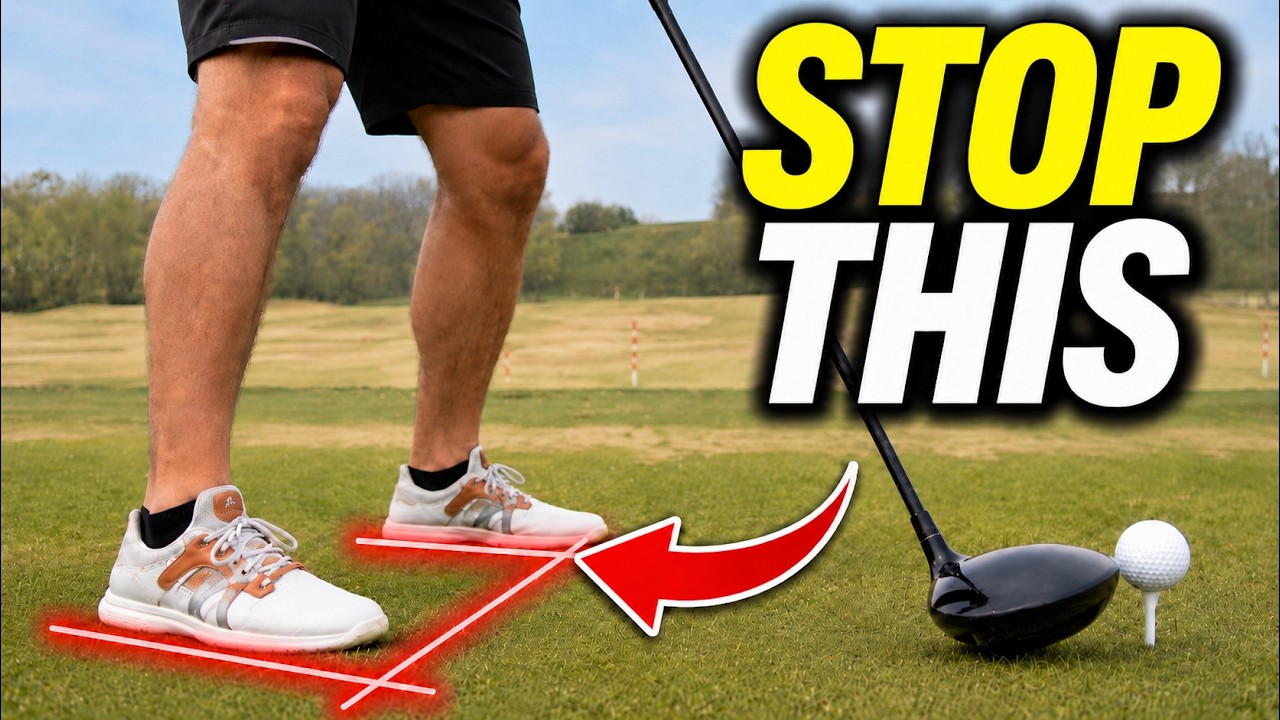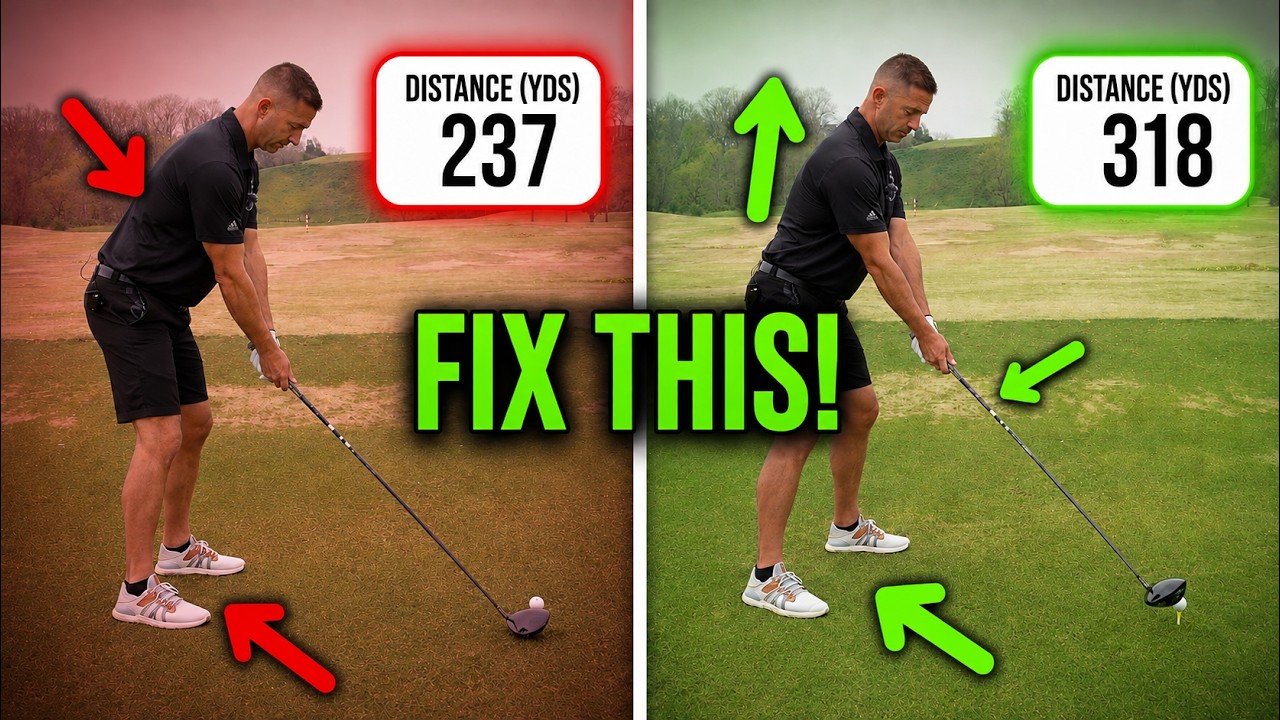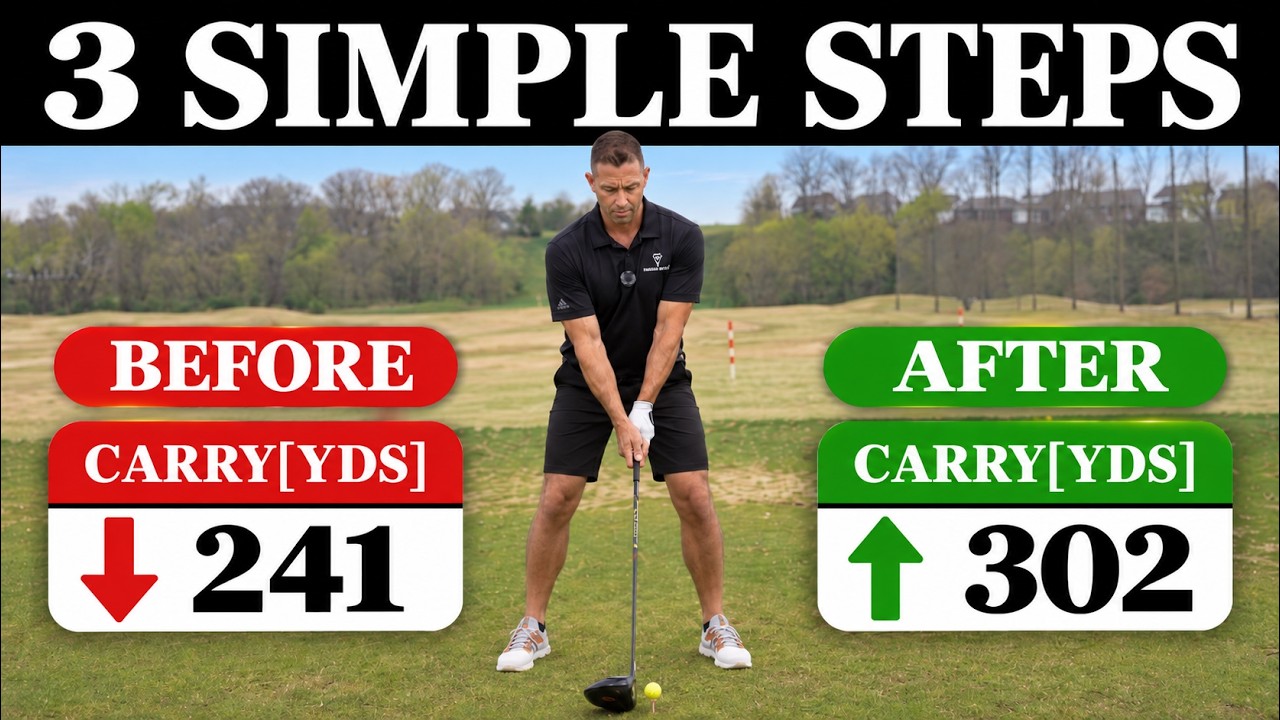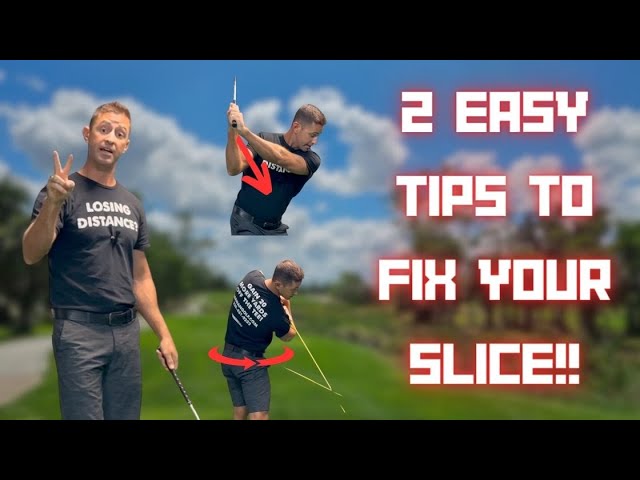
The slice is not a mystery. It is not random. It is not bad luck or a bad day.
The slice has one cause. The downswing is being initiated with the arms. That initiation sends the club over the top, outside to in, and the face drags across the ball producing the left to right curve that sends shot after shot into the rough, the trees, or the next fairway over.
At Berman Golf, this two step progression has helped more golfers fix the slice than any other approach, specifically because it does not ask the brain to change everything at once. It works through a progression. Week one does one thing. Week two adds the next thing. And by the time both steps are working together, the inside out path becomes the natural path instead of something that has to be consciously created on every swing.
Why Cold Turkey Does Not Work
Here is the honest truth about fixing the slice that most instruction misses.
Golfers who slice have been swinging with their arms for years, sometimes decades. The arms initiating the downswing is deeply wired. Telling those golfers to stop using their arms and start using their body instead, all at once, on the very next swing, almost never produces the result they are looking for.
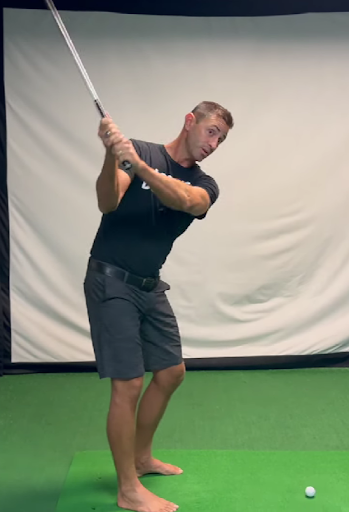
The brain cannot make that jump in one step. It needs a bridge. Something that plays into the existing arm swing habit while gradually redirecting it toward a better path. That bridge is step one of this progression.
Step 1, Butter the Club at the Ball
Here is the first week focus. One thought. One cue. Nothing else.
At the top of the backswing, think about swinging the butt end of the club down toward the golf ball. Not the club head. The butt. The grip end. Initiate the downswing by bringing the butt of the club down at the ball and forget the club head is even there.
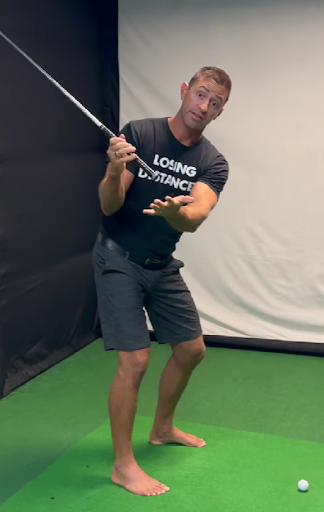
Here is why this works even though the arms are still technically initiating the movement.
When the thought is to swing the butt of the club down at the ball, the path of the arms changes. Instead of the arms casting outward and the club head going over the top, the arms move more downward. The club drops closer to the correct plane. The outside to in path starts to neutralize toward a straighter path, sometimes even inside out right away.
This is playing into the weakness. The arms are still being used. But now the arms are being used more efficiently, directed on a better path by a single cue that does not require any body mechanics to work.
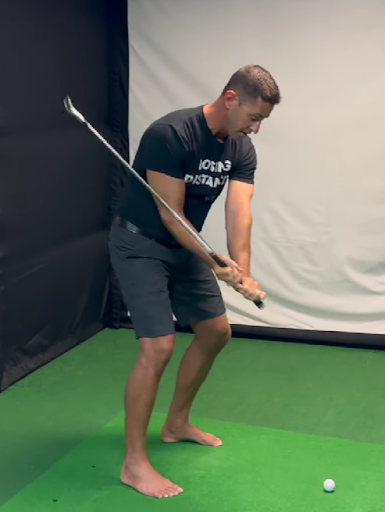
Do this for a full week. Not one session. A week. The brain needs enough repetitions of this new arm path to start accepting it as the default before the next step gets added.
Step 2, Add the Alignment Sticks and the Belt Buckle
Here is where step two comes in, and it is the step that fixes the root cause instead of just improving the symptom.
Set up with one alignment stick through the belt loop, cheated way out to the right side. Take the second alignment stick and cross it across the chest at the top of the backswing.
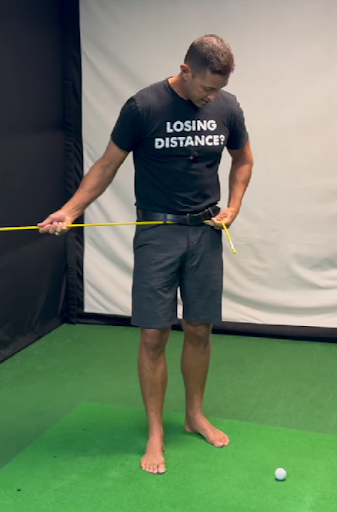
Here is the test this setup reveals immediately.
If the downswing initiates with the arms, the two sticks will not touch at the impact position. The club comes over the top, the body does not clear, and the sticks pass each other without contact.
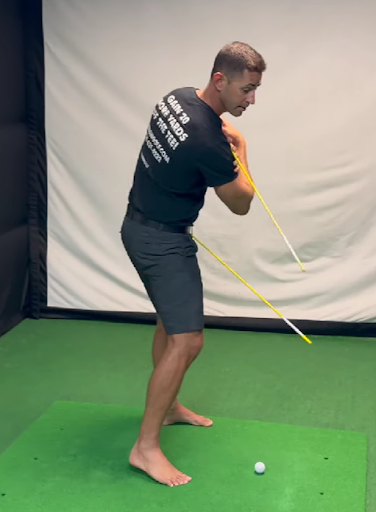
If the downswing initiates with the body, the belt buckle reversing toward the target first, the sticks touch at the impact position. The belt buckle clearing creates the inside out path automatically and the sticks confirm it audibly with a click.
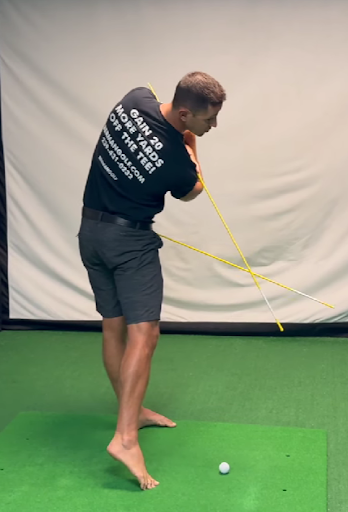
That click is the feedback the brain needs. Not a video analysis afterward. An immediate, real time confirmation that the sequence was correct.
The Week Two Protocol
Here is how week two gets practiced after week one is solid.
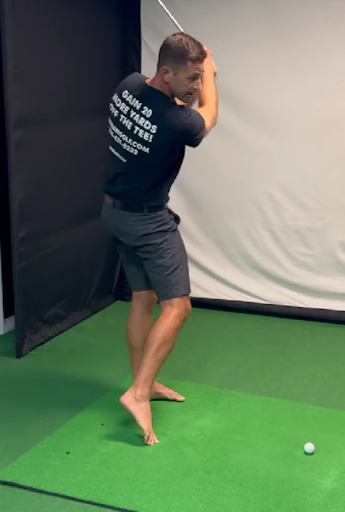
Get to the top of the backswing. Now the thought is belt buckle first, then let the butt of the club follow toward the ball as the belt buckle rotates.
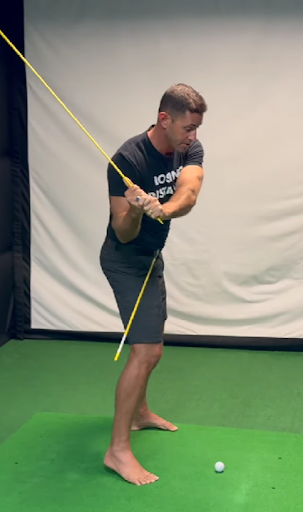
Not both thoughts simultaneously. The belt buckle is the primary thought. The butt of the club following is what happens naturally when the belt buckle leads correctly.
Start slowly. Initiate with the belt buckle and let the club fall. Not a full swing. Just a slow, deliberate initiation where the belt buckle moves first and the club drops naturally from there.
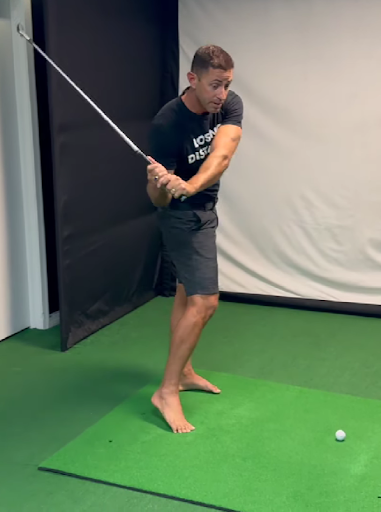
Then let the club go. Just release it. No steering. No forcing. Belt buckle leads and the club follows wherever it naturally goes when the body is the primary driver.
Do that slowly until it feels natural. Then add a little speed. Then a little more. Build up to full speed gradually over the week, each time checking that the belt buckle is still initiating and the sticks are still touching at impact.
Why the Progression Matters More Than the Tips Themselves
Here is the most important principle behind this entire two step approach.
The brain cannot go from a deeply ingrained arm swing pattern to a fully body driven swing in one session. The motor pathway for the arm swing is strong. The motor pathway for the body driven swing is weak or nonexistent. Trying to switch between them instantly under full swing speed conditions produces confusion, not improvement.
The progression builds the new pathway before asking it to compete with the old one at full speed. Week one makes the arm swing path better while the brain adjusts. Week two introduces body initiation slowly and builds speed gradually. By the end of week two, the new pathway is strong enough to hold at real swing speeds because it was built up through repetition rather than demanded all at once.
Get a Free Swing Analysis
Want to know whether the downswing is being initiated with the arms or the body right now, and exactly how steep the outside to in path has become?
Set the camera or phone up at two angles. One from the front, face on. One from behind, down the line. Film in slow motion. Swing.
Send both videos to gaindistance.com and Dr. Berman will give a free swing analysis. The first one is on him.
See exactly what the camera shows, not what the brain thinks is happening. The over the top move and the arm initiation are both clearly visible in slow motion even when they feel completely normal from the inside.
Want a Step-by-Step Blueprint?
If this resonates and the advice out there feels designed for 25-year-old tour pros, there is a simple blueprint built specifically for senior golfers.
It breaks down:
How the aging body changes Which muscles actually produce power How to gain distance without swinging harder How to improve consistency while reducing aches and pains
It is written at a fifth-grade reading level with clear visuals and practical drills that can start immediately.
A FREE digital copy is available at: 👉 gaindistance.com
No gimmicks. Just clarity on how the body should move to play better golf for years to come.
Bringing It All Together
The slice comes from one place. Arms initiating the downswing. Over the top. Outside to in. Left to right ball flight. Every time.
Week one fix. Think about swinging the butt of the club down at the ball. Play into the arm swing habit while redirecting the path toward neutral or inside out. Do it for a full week.
Week two fix. Add the alignment sticks. Belt loop stick cheated right. Second stick crossed across the chest. Initiate with the belt buckle. Let the butt of the club follow. Build from slow to fast until the sticks click at impact position at every speed.
One week at a time. One step at a time. The brain builds the new pattern before being asked to run it at full speed.
At Berman Golf, the focus is biomechanics first. Not cookie cutter swings. The goal is teaching the body how it should move, especially as it ages, so power can be generated safely and repeated under pressure.
The in-house and online coaching programs are built specifically for senior golfers who want more distance and better consistency without beating up their bodies.
For anyone tired of advice designed for tour pros and ready for a blueprint built for their body, help is available.
Because when the belt buckle initiates the downswing and the sticks click at impact, the slice disappears and the inside out path becomes the new normal.
And when the banana slice stops following the ball flight, the game gets soooooo much easier!
If you enjoyed what you read and want to see it in action, watch the video below where Dr. Berman walks through both steps of the progression with the alignment sticks!