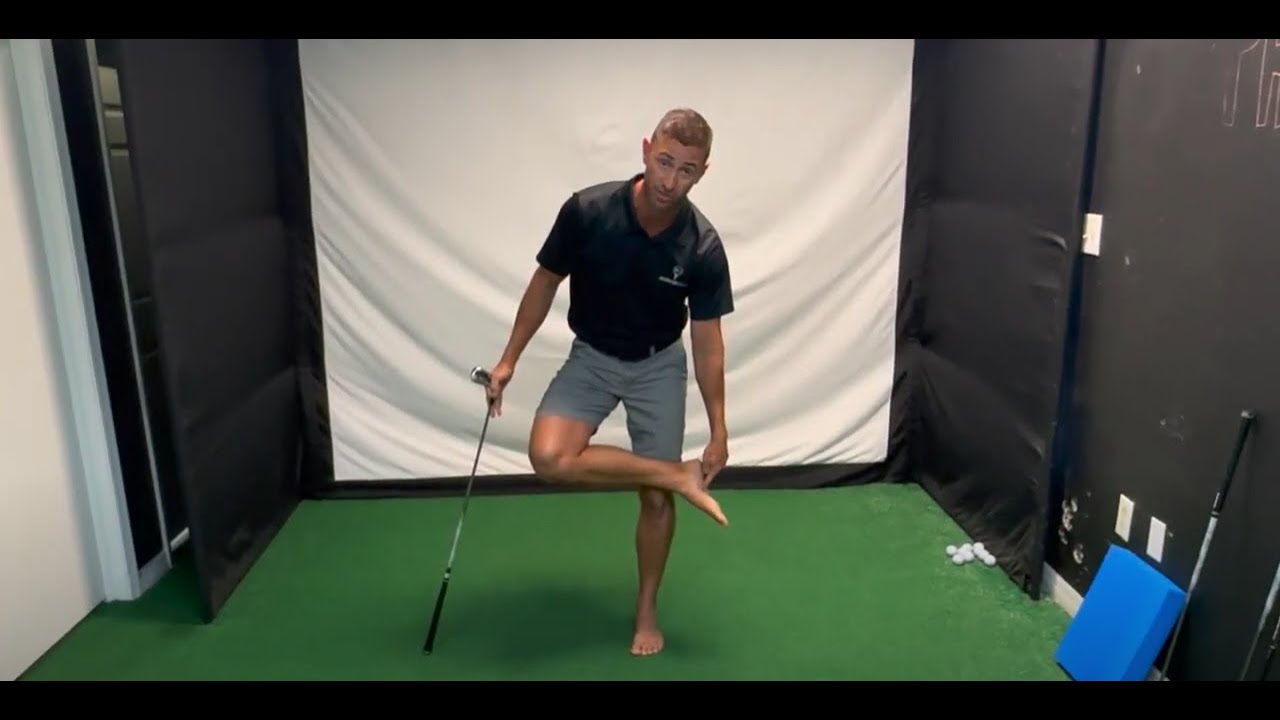
This one is for the haters.
The comments are familiar by now. Put some shoes on. You can’t take this guy seriously without shoes. This clown has no credibility.
Here is the full explanation. Not a defensive one. A scientific one. Because once the reasoning is understood, it becomes very hard to argue that shoes are helping the golf swing. In fact, it becomes pretty clear they are working against it.
At Berman Golf, barefoot practice is not a gimmick or a quirk. It is a deliberate, strategic choice built on a simple piece of anatomy that almost nobody in golf instruction talks about.
The 16 Muscles Nobody Mentions
Here is the fact at the center of this entire discussion.
There are 16 muscles in the arch of one foot. Sixteen. Their primary job is to provide arch support, which gives the body the balance and stability needed to move efficiently and powerfully.
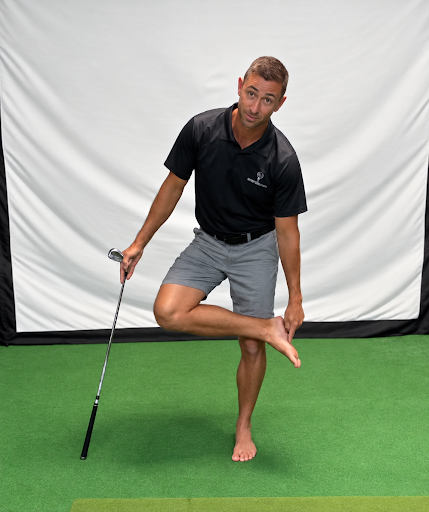
Nobody who has watched any golf content seriously would argue that balance is not crucial for an effective swing. Balance determines whether the muscles above the foot can fire at full capacity. Balance determines whether the weight can transfer correctly. Balance determines whether the ground connection that generates power is reliable or not.
Those 16 foot muscles are the foundation of that balance. And for most golfers, they are completely dormant.
What Shoes Actually Do to Those Muscles
Here is the chain of events that happens every time a foot goes into a golf shoe.
The shoe has built in arch support. The moment that external support is under the foot, the 16 arch muscles recognize that their job is being done for them. They stop working. Why would the brain recruit muscles that are not needed?
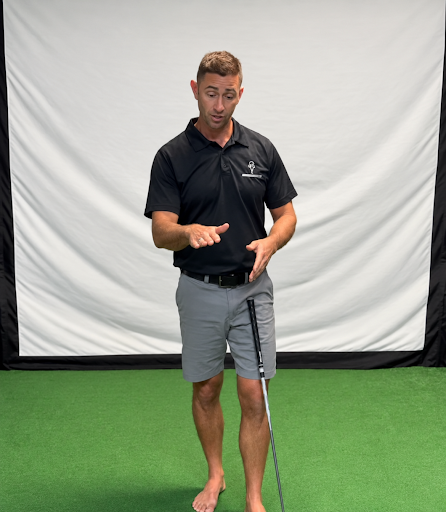
Then the laces get tightened. The tighter the shoe is laced, the more external support is provided and the less the foot muscles have to contribute. By the time a typical golf shoe is fully laced and ready, those 32 muscles across both feet are contributing almost nothing to balance and stability.
Here is the analogy that makes this undeniable.
Imagine standing on ice in regular tennis shoes. How would the golf swing look? Rigid. Terrified. Every muscle in the body clenching to avoid falling instead of generating power into the golf swing.
That is an extreme version of what happens in tightly laced golf shoes. The foot has no traction, no grip, no ability to use the ground. On ice it is obvious. In tight shoes with orthotics it is invisible, but the effect on the 32 foot muscles is similar. They stop contributing. The brain loses the foundation it needs to fire the bigger muscles above them.
Why the Foot Has to Be Able to Splay
Here is the specific reason wide toe box shoes are worth understanding, regardless of aesthetics.
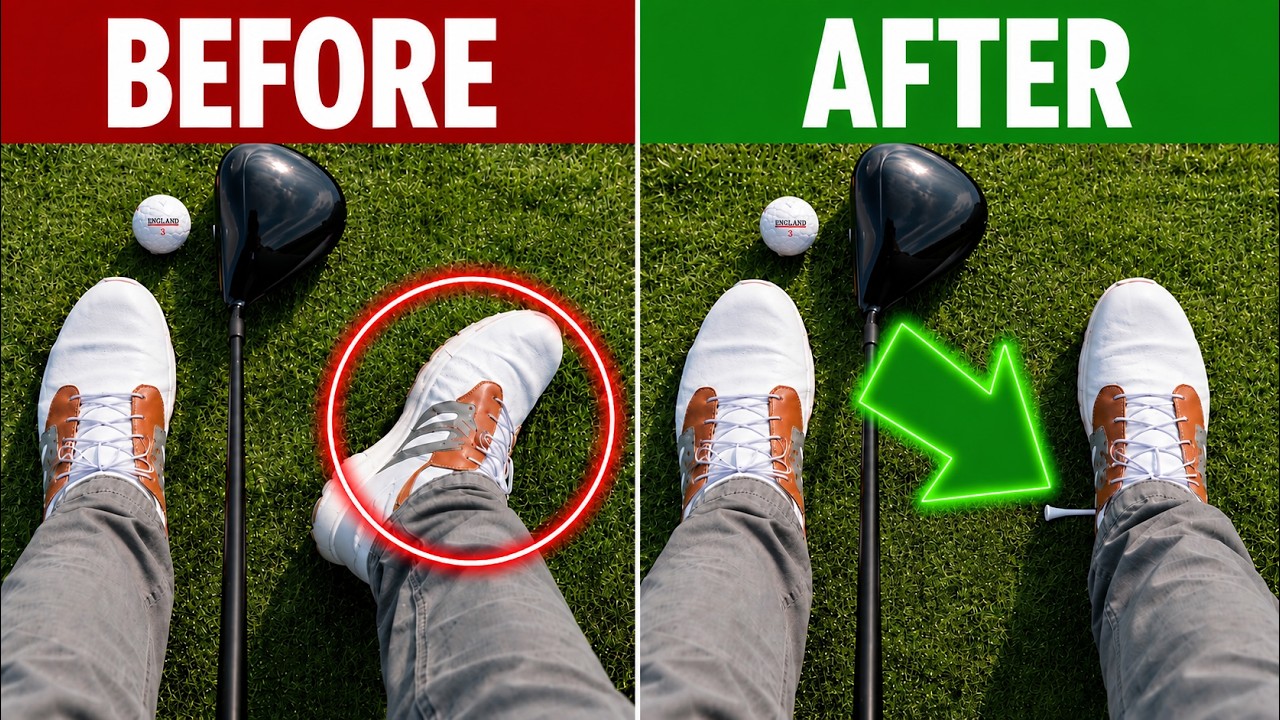
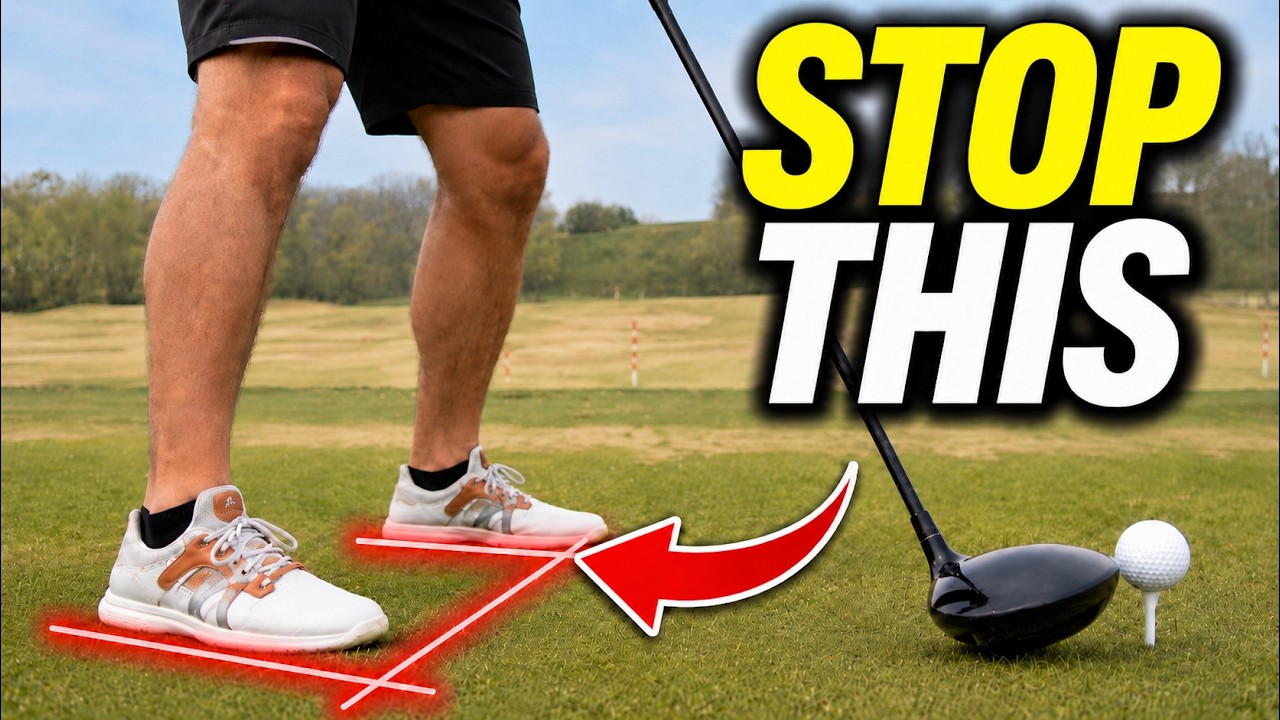
When a foot is crammed into a narrow, stylish golf shoe, the toes are compressed together. The foot cannot splay. And when the foot cannot splay, it cannot grip the ground effectively.
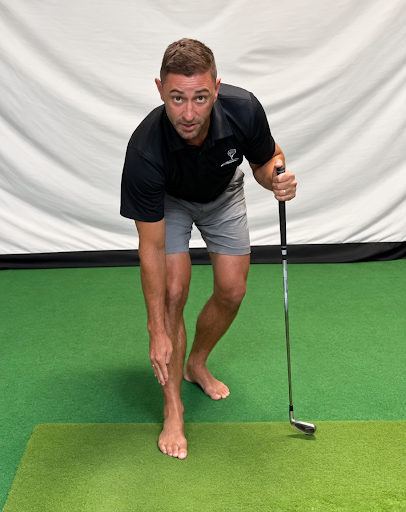
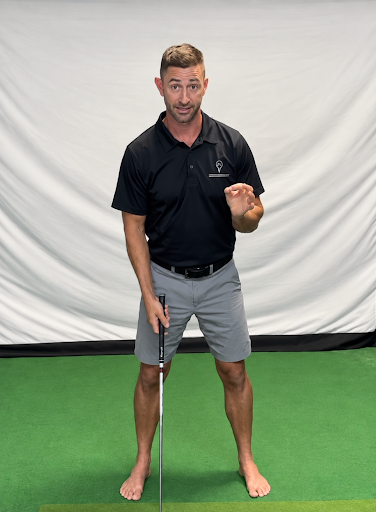
Watch what happens when the foot is allowed to spread. The toes splay outward. The contact area between the foot and the ground increases dramatically. The foot essentially grips the ground the same way a hand grips an object. More surface area means more control. More control means the foot muscles can actually use the ground to generate force.
This is what ground reaction force actually requires. Not just standing on the ground but being able to push against it through an active, engaged foot. A foot boxed up in a narrow shoe with the toes compressed cannot push against the ground the same way a foot that is free to splay can.
Why Barefoot Training Builds the Foundation
Here is the transfer effect that makes barefoot practice valuable even for golfers who will wear shoes on the course.
When the foot is barefoot, those 16 arch muscles have to work. There is no external support. The brain recruits them. Over time they get stronger. The motor pathways that connect the brain to those muscles get cleaner and more reliable.
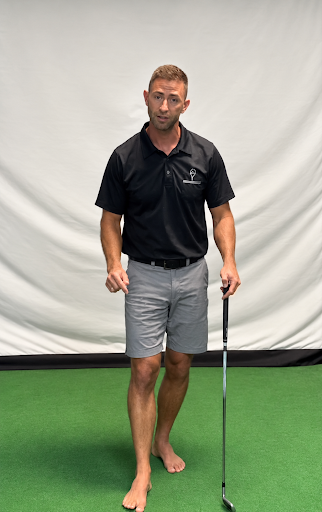
Then when shoes do go on, specifically shoes with enough room in the toe box for the foot to splay, those trained muscles can still contribute. Not at the same level as barefoot. But significantly more than they would from a foot that has never been trained outside of a tightly laced shoe.
The barefoot drilling is the training session. The shoe is the performance environment. Just like any athlete trains their body in ways that transfer to the actual competition, training the foot muscles without shoes transfers to what those muscles can do inside a shoe that allows them room to work.
The Simple Math That Ends the Argument
Here is the physics that makes the barefoot case unarguable.
More muscles contributing to the golf swing equals more power that can be generated. That is not a hypothesis. That is a law of physics.
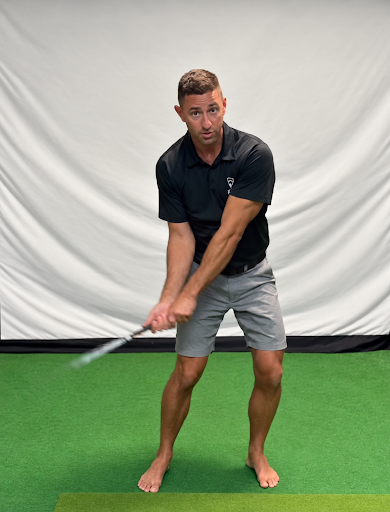
Sixteen muscles in one foot arch. Sixteen in the other. Thirty two total that are doing almost nothing in tight, narrow shoes with orthotics. Thirty two muscles that could be contributing to balance, stability, and ground reaction force if the foot had room to work and had been trained to work.
Why would anyone voluntarily eliminate 32 muscles from the golf swing? The answer is they would not, once they understood that is exactly what most golf shoes are doing.
The Practical Application
Here is what to actually do with this information.
Practice barefoot as much as possible. At home, doing swing drills and training exercises. The range may not allow it, but everything that can be done indoors or in a practice space should be done barefoot so those foot muscles get trained.
When on the course or at the range, choose shoes that give the foot room to splay. Wide toe box. Not laced so tight the foot is compressed. Loose enough that the toes can spread and the arch muscles can contribute.
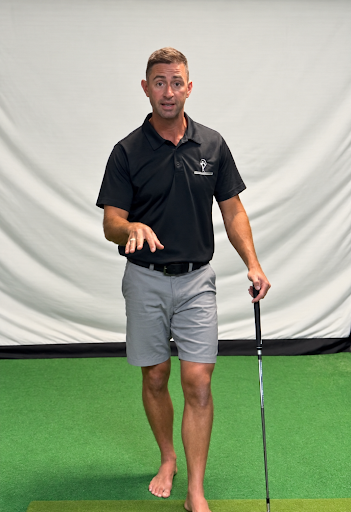
Ditch the orthotics if possible. The orthotics providing arch support are doing the same thing a tightly laced shoe does, removing the stimulus the arch muscles need to stay active. For golfers with diagnosed conditions requiring orthotics that is a conversation with a medical professional. For everyone else who was simply told at some point that orthotics would help, experiment with removing them and see what happens.
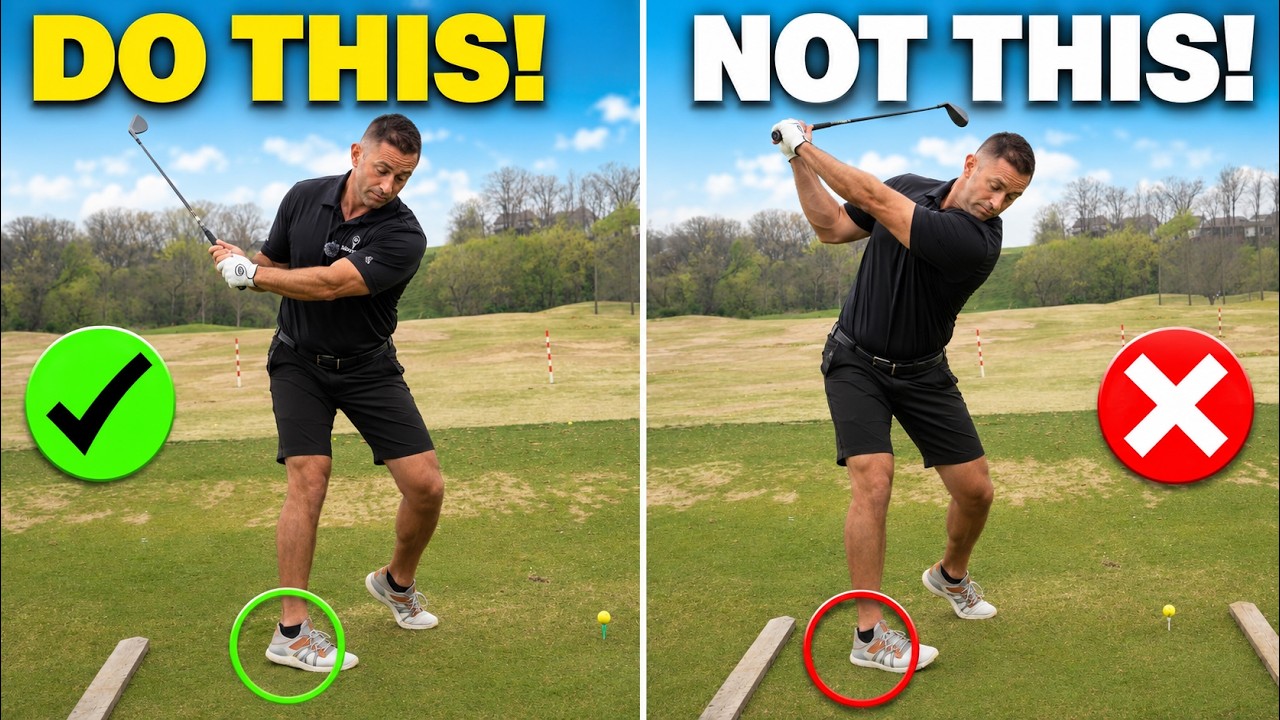
Test the shoes before committing to them. Get into address position in any shoe being considered and see if the foot can grip the ground, if the arch muscles can be felt contributing, if balance feels stable without compensation. If none of those things are present, those shoes are working against the golf swing.
Get a Free Swing Analysis
Want to know whether foot instability is limiting the power muscles above it and costing distance and consistency?
Set the camera or phone up at two angles. One from the front, face on. One from behind, down the line. Film in slow motion. Swing.
Send both videos to gaindistance.com and Dr. Berman will give a free swing analysis. The first one is on him.
See exactly what the camera shows. Foot rolling, balance breaks, and muscle dropout all show up clearly in slow motion and trace directly back to what the feet are or are not doing during the swing.
Want a Step-by-Step Blueprint?
If this resonates and the advice out there feels designed for 25-year-old tour pros, there is a simple blueprint built specifically for senior golfers.
It breaks down:
How the aging body changes Which muscles actually produce power How to gain distance without swinging harder How to improve consistency while reducing aches and pains
It is written at a fifth-grade reading level with clear visuals and practical drills that can start immediately.
A FREE digital copy is available at: 👉 gaindistance.com
No gimmicks. Just clarity on how the body should move to play better golf for years to come.
Bringing It All Together
Thirty two muscles across both foot arches are being eliminated from the golf swing by tight shoes, narrow toe boxes, and orthotics. Those muscles provide the balance and stability the entire power chain above them depends on. Without them, the brain cannot fully recruit the glutes, the core, or any of the muscles that generate real distance.
Practice barefoot as much as possible. Choose shoes that allow the foot to splay. Loosen the laces. Ditch the orthotics where possible. Train the foot muscles so they are ready to contribute when shoes go on for the round.
More muscles. More power. Simple laws of physics.
At Berman Golf, the focus is biomechanics first. Not cookie cutter swings. The goal is teaching the body how it should move, especially as it ages, so power can be generated safely and repeated under pressure.
The in-house and online coaching programs are built specifically for senior golfers who want more distance and better consistency without beating up their bodies.
For anyone tired of advice designed for tour pros and ready for a blueprint built for their body, help is available.
Because when those 32 foot muscles are working and the foundation is solid, every muscle above them can finally do its job.
And when all the muscles are working together, the game gets soooooo much easier!
If you enjoyed what you read and want to see it in action, watch the video below where Dr. Berman makes the full case for barefoot practice and explains exactly what tight shoes are doing to the golf swing!