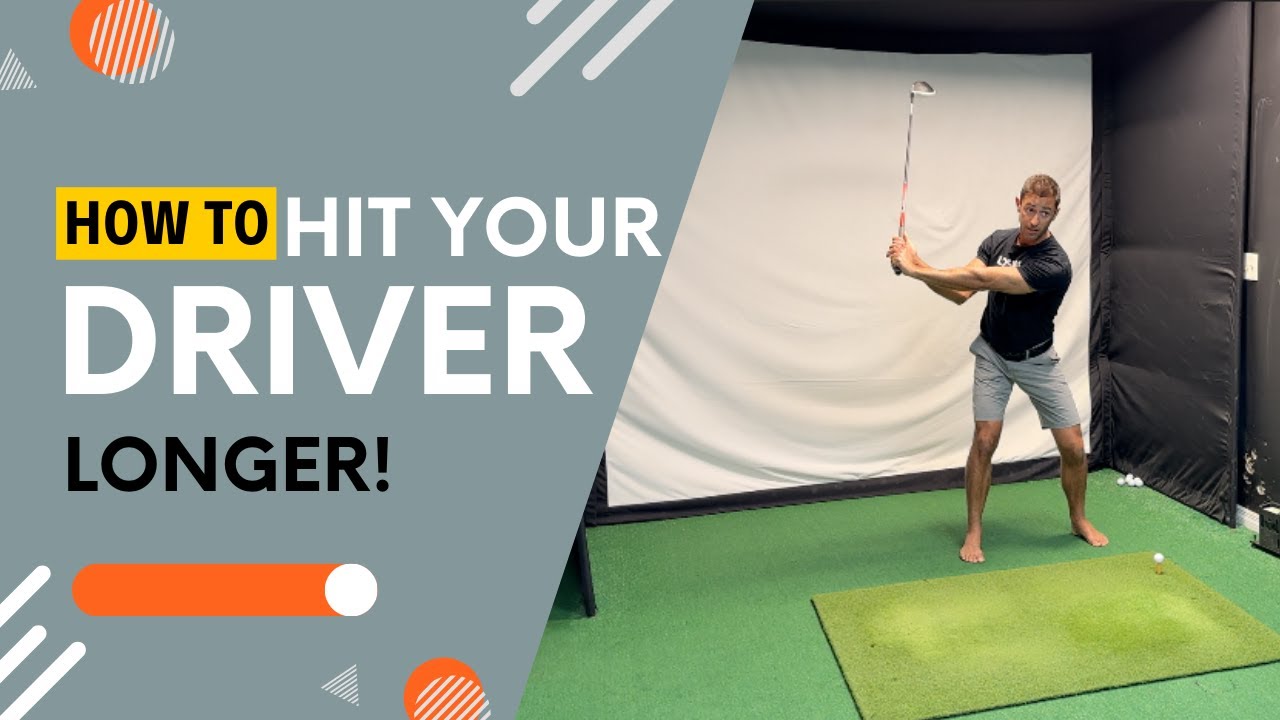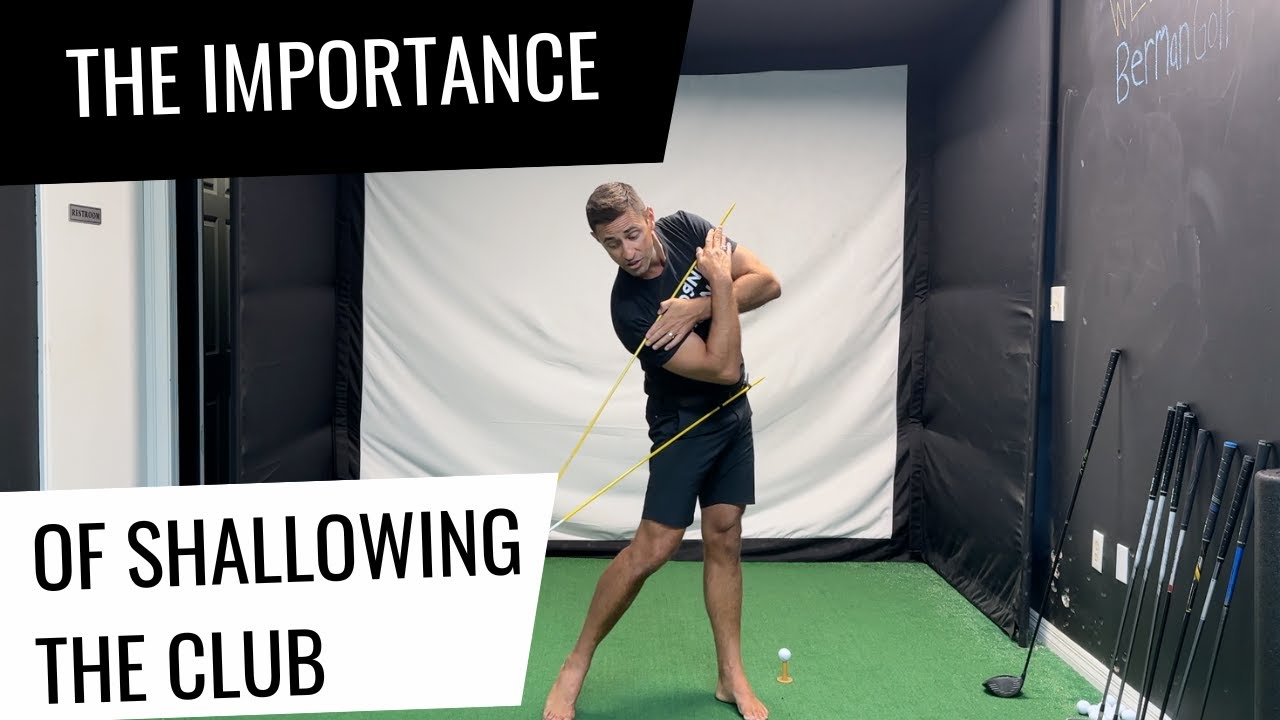

Golf may look simple when you’re watching the pros, but understanding the golf swing driver vs. irons comparison reveals just how complex it can be. Many golfers assume the same motion applies to every club, yet that’s far from true. A driver swing and an iron swing differ not just in the club itself but in how your body moves, the angle of attack, and even your mental approach to each shot. At Berman Golf, we often see golfers struggle because they apply a one-size-fits-all method. The truth is, your body needs to adapt to each club’s purpose, and mastering that distinction is what separates average players from confident ball strikers.
The Purpose Behind Each Club
Before diving into mechanics, it’s important to understand why your driver and irons are designed differently. A driver’s purpose is to generate maximum distance. It’s the longest club in your bag, with the lowest loft, designed to launch the ball high with minimal spin for maximum carry. Because it’s meant for tee shots, the ball is elevated, and your goal is to strike it on the upswing.
Irons, on the other hand, are made for precision and control. Their shorter shafts and higher lofts help the ball launch with more spin and a steeper angle, giving you the stopping power needed for approach shots. With irons, the ball sits on the ground, meaning your swing should compress it against the turf, a key difference that changes everything about how your body moves.
Ball Position: Forward for the Driver, Centered for Irons
One of the first adjustments between clubs comes down to ball position. With your driver, the ball should be positioned just inside your lead heel. This allows you to strike the ball as the club is moving upward, promoting higher launch and less backspin. The slight upward motion of impact is critical for distance and accuracy off the tee.
With irons, the ball sits closer to the middle of your stance. For shorter irons, you might even move the ball slightly back. This positioning helps you hit down on the ball, creating that crisp, compressed strike every golfer chases. It also allows your hands to stay ahead of the clubface at impact, one of the most consistent traits of strong iron players.
Angle of Attack: Hitting Up vs. Hitting Down
Perhaps the biggest golf swing difference between a driver and irons is the angle of attack. The driver swing requires a shallow or slightly ascending strike. Because the ball is teed up, your goal is to sweep it off the tee with minimal turf interaction. This type of motion maximizes carry distance by reducing spin and optimizing launch angle.
Irons require the opposite. You want a descending blow that contacts the ball before the ground. This downward strike compresses the ball against the clubface, using the loft to generate backspin and lift. The key here is learning to trust that hitting down makes the ball go up, something many golfers find counterintuitive.
From a biomechanical standpoint, your body must adjust to achieve these contrasting movements. With a driver, your spine tilts slightly away from the target, allowing your trail shoulder to drop and create that upward motion. With irons, your spine remains more centered over the ball, and your weight shifts slightly forward through impact to promote a downward strike.
Swing Path and Clubface Control
Another difference lies in the swing path and how the clubface interacts with the ball. With a driver, your swing path tends to be slightly more from the inside, allowing for a gentle draw that maximizes roll and distance. The longer shaft encourages a sweeping motion with a wider arc, demanding excellent timing and rhythm.
With irons, your swing path becomes more neutral or slightly outside-in. Since your goal is precision, not distance, you want to control trajectory and spin rather than shape. The shorter club length makes it easier to control your swing plane, helping you deliver the clubface square at impact more consistently.
At Berman Golf, we teach players how to let their body’s natural movement dictate this path. Many golfers make the mistake of forcing a “perfect” swing plane. Instead, we emphasize improving your biomechanics, how your body rotates, shifts, and recruits muscles efficiently. When your body moves correctly, the path naturally aligns with the club’s intended design.
Stance and Weight Distribution
Because of the difference in ball position and swing arc, your stance also changes between a driver and irons. With your driver, your stance is slightly wider to support a powerful rotational motion. Your weight starts balanced or even slightly favoring the trail side to help you hit up through the ball.
With irons, your stance narrows a bit, and your weight leans slightly toward the lead foot at address. This helps you stay centered during the backswing and promotes that downward angle of attack. Too much weight on the trail side with irons often leads to fat or thin shots, both of which ruin consistency.
Balance plays a vital role in both swings. For drivers, your goal is rotational power without losing posture. For irons, stability and control are key. The best ball strikers can shift their weight efficiently while keeping their body aligned throughout the motion.
Tempo and Rhythm Adjustments
Tempo is the heartbeat of every golf swing, yet it varies subtly between clubs. With a driver, your swing is typically longer and smoother. You’re generating maximum speed but still need control to square the clubface. A rushed driver swing often leads to slices or topped shots.
Iron swings, in contrast, are more compact and deliberate. You’re not chasing speed but solid contact. The rhythm should feel crisp and connected, with a strong sense of timing between your lower and upper body.
What many golfers overlook is that tempo is not about speed; it’s about sequence. The way your hips, torso, arms, and club move together determines the quality of your strike. Through our biomechanical approach, we help players train their bodies to move in sync, allowing them to adjust tempo naturally for each club without overthinking it.
Body Mechanics: The Core of Consistency
When we talk about the difference between a driver and irons, we’re really talking about how the body performs under different demands. Your body must adapt to the length of the club, the lie angle, and the intended ball flight.
With the driver, your body’s rotation is more pronounced. You turn around a tilted spine, creating torque and energy that unleashes through the downswing. The emphasis is on generating power through rotation, not force. Your body needs mobility in the hips, thoracic spine, and shoulders to achieve this efficiently.
With irons, stability takes priority. You still rotate, but with more control and a focus on maintaining posture. The power comes from proper sequencing and ground interaction. Your legs and core must support the motion to strike down through the ball.
Our method at Berman Golf focuses on helping golfers move their bodies the way they’re built to move. No two players have the same flexibility, balance, or muscle recruitment patterns, so we tailor our approach to fit each golfer’s biomechanics.
Common Mistakes Golfers Make
One of the most common errors we see is treating every club the same. Golfers often use the same stance, ball position, and spine angle for both drivers and irons. This leads to poor contact and inconsistent results.
Another issue is misunderstanding what “hitting up” or “hitting down” really means. For the driver, some golfers exaggerate the upward strike, leading to topped shots or pushes. With irons, others try to scoop the ball into the air, causing thin or fat shots.
We also see players ignore how equipment influences movement. The driver’s longer shaft naturally affects swing plane and timing. If your body can’t handle those changes efficiently, you’ll struggle to find the center of the clubface consistently.
By learning to move efficiently instead of forcing technical positions, you can adapt to each club’s demands with ease.
The Mental Approach to Each Swing
Beyond mechanics, there’s also a mindset shift between a driver and irons. The driver is about aggression and freedom, trusting your swing to create distance. Irons require precision and focus, demanding control over trajectory and distance.
Your confidence in adjusting between these mental states often determines performance. That’s why it’s important to practice both swings with purpose. Instead of mindlessly hitting balls, train with intention, one focused on distance and launch, the other on compression and control.
Training Your Body for Both
Improving your golf swing means training your body, not just your technique. Through biomechanical training, you develop the ability to access power when needed and maintain control under pressure. Exercises that improve hip mobility, balance, and core strength directly translate to better performance with both drivers and irons.
At Berman Golf, we help golfers unlock this potential by analyzing their unique movement patterns. Once you understand how your body moves, you can build a consistent foundation that adapts effortlessly to each club. That’s how you create repeatable, powerful, and efficient swings, no matter what’s in your hand.
Understanding the difference between a driver swing and an iron swing is one of the most valuable lessons any golfer can learn. When your body moves efficiently, your swing adapts naturally to each club’s purpose. The driver rewards a sweeping, upward motion that maximizes distance, while irons demand a controlled, downward strike that compresses the ball. Mastering both starts with understanding how your body moves, not just how your club should.
At Berman Golf, we combine advanced biomechanics with personalized coaching to help golfers move more efficiently, create more power, and strike the ball with precision. Our in-house and online golf lessons are designed to help you build consistency and confidence through every club in your bag. When your body moves right, every swing, driver or iron, feels effortless.