When it comes to developing a consistent and powerful golf swing, one of the most overlooked details is grip placement. Many players focus on their stance, backswing, or follow-through, yet few realize that how far down to grip a golf club can dramatically influence accuracy, distance, and comfort. The correct grip position isn’t about following a fixed measurement; it’s about matching your body mechanics, swing style, and comfort level to the club in your hands.
At Berman Golf, we believe that every golfer’s body moves differently. Understanding how to grip golf clubs based on your biomechanics helps you get the most out of your swing without unnecessary strain or compensations.
Understanding the Fundamentals of Grip Placement
Before diving into how much of the club should extend beyond your hands, it’s important to understand what the grip position does. The way you hold your club affects your leverage, swing path, and overall control. Gripping too far up can limit your feel and reduce control, while gripping too far down can cost you distance.
Generally, a golfer’s hands should rest near the end of the grip, leaving about half an inch to an inch of the club’s butt visible above the top hand. This small gap keeps the club secure without restricting wrist movement. However, this is not a hard rule. The ideal distance depends on your body alignment and how far to hold a golf club from your body.
The Relationship Between Grip and Body Mechanics
At Berman Golf, our approach focuses on biomechanics rather than rigid technique. Every golfer has a unique range of motion and muscle recruitment pattern. If your body lacks flexibility or mobility, gripping the club too far from your body may force awkward compensations in your arms and shoulders.
When the hands are positioned correctly, the wrists can hinge naturally, allowing your larger muscle groups such as the core, hips, and shoulders to drive the motion. This alignment not only improves power but also reduces tension throughout the swing. The goal is to find a grip position that lets your body move efficiently rather than forcing it into positions it cannot comfortably reach.
How Far Down the Grip Should You Hold It?
There’s no universal answer to how far down you should grip the golf club. Most players naturally find a comfortable position after experimenting with different hand placements. Still, here’s what tends to happen with each adjustment.
Gripping closer to the butt end allows maximum leverage, increasing clubhead speed and distance. It’s great for players who have strong control and stability throughout their swing.
Gripping slightly down the shaft offers more control and accuracy, reducing mishits by shortening the swing arc. This adjustment is often beneficial in windy conditions or when precision is more important than distance.
The key is understanding how these small changes influence your swing pattern. A half-inch difference in grip placement can alter how your body moves through impact.
Hand Position and Club Control
When gripping the club, your lead hand (left for right-handed golfers) should cover most of the grip’s top surface, with the thumb resting slightly to the right side. The trailing hand should overlap or interlock comfortably with the lead hand. Maintaining light but secure pressure allows your wrists to hinge freely without losing control.
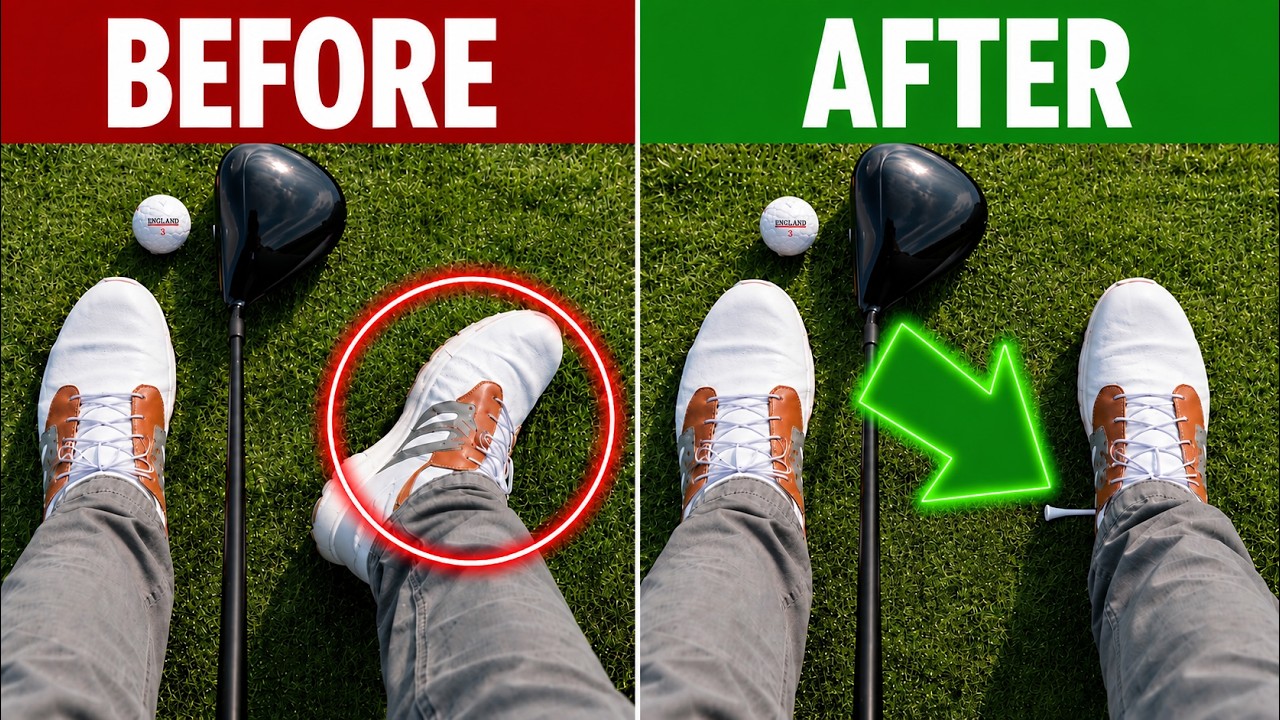
Keep in mind that your hand position affects how far you hold the club from your body. If your hands are too close, your arms will crowd your torso, limiting rotation. If they’re too far, you’ll lose balance and consistency. A good rule is to stand so the club’s butt end points roughly toward your belt buckle when in your address position.
The Impact of Grip Adjustment on Shot Performance
Changing how far down you grip the club can influence not just your feel but also your shot shape and distance. When you grip down an inch or two, your swing arc shortens slightly. This makes it easier to control your clubface and hit straighter shots, but you may lose a few yards in distance. Conversely, gripping closer to the top of the handle can increase your swing arc and distance potential, but it demands better timing and coordination.
Many tour professionals grip down intentionally for wedge shots or when they need to shape the ball precisely. Meanwhile, players looking to maximize power from the tee often grip as high as possible to take advantage of the club’s full length.
Ultimately, finding the right balance between control and distance starts with experimenting in practice sessions. Record your results and note how different grip lengths affect your contact quality and accuracy.
Matching Grip Position with Swing Goals
Your ideal grip position should align with your performance goals and physical capabilities. If you struggle with slicing or hitting off the toe, gripping slightly lower may improve your ability to square the face through impact. If you’re looking to add distance but already maintain solid mechanics, staying higher on the grip may be beneficial.
At Berman Golf, we teach golfers to use grip position as a tool for improvement rather than a strict rule. Every player has a distinct combination of strength, flexibility, and rhythm that affects how they deliver the club. Learning how to grip golf clubs in a way that suits your personal biomechanics leads to consistent results and fewer compensations in your swing.
Refining Your Grip Through Professional Guidance
While general guidelines are helpful, the best grip position is one that complements your body’s natural movements. Personalized analysis can reveal subtle limitations such as restricted shoulder rotation or hip mobility that might be holding you back from achieving optimal power and accuracy.
Through advanced biomechanical assessments and guided instruction, we help golfers identify where their grip, stance, and motion should be adjusted for maximum efficiency. When you find the correct combination, your swing becomes more repeatable, effortless, and powerful.
Achieve Consistency and Confidence with Berman Golf
At Berman Golf, we specialize in helping golfers move their bodies more efficiently to create natural, powerful, and repeatable swings. Our in-house and online golf lessons focus on individual biomechanics, not one-size-fits-all techniques. When you train with us, you’ll discover how small adjustments like your grip position or posture can unlock new levels of control and distance.
If you’ve been wondering how far to hold a golf club from your body or struggling to find a comfortable hand position, it may be time to experience a lesson that’s built around you. Learn how your body should move, and let that movement guide your perfect grip and swing. Visit Berman Golf to begin your personalized journey toward better performance and a stronger, more consistent game.