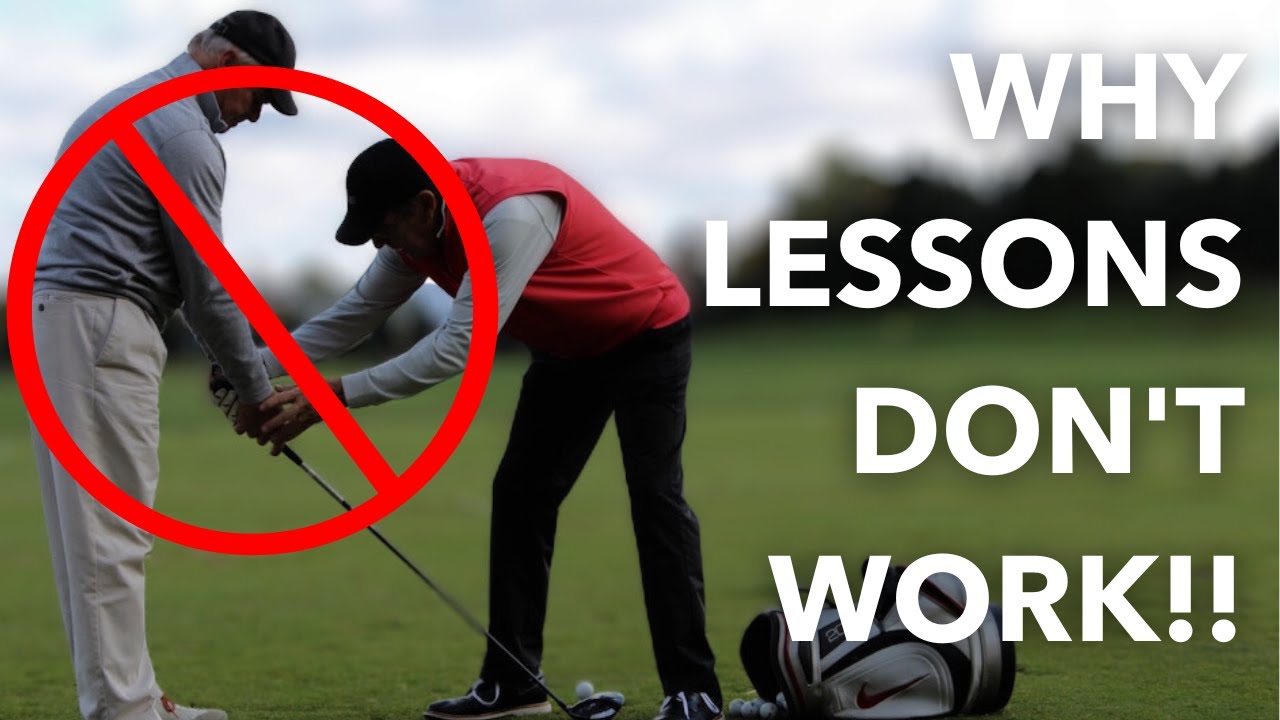
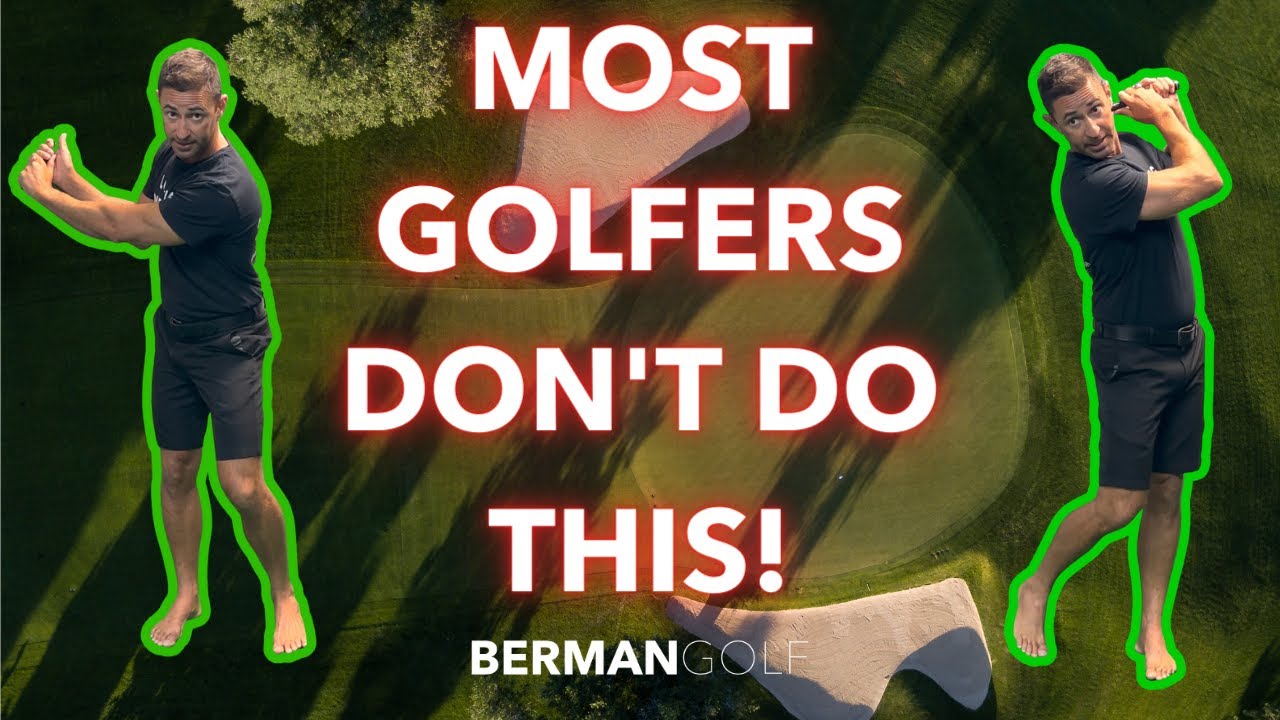
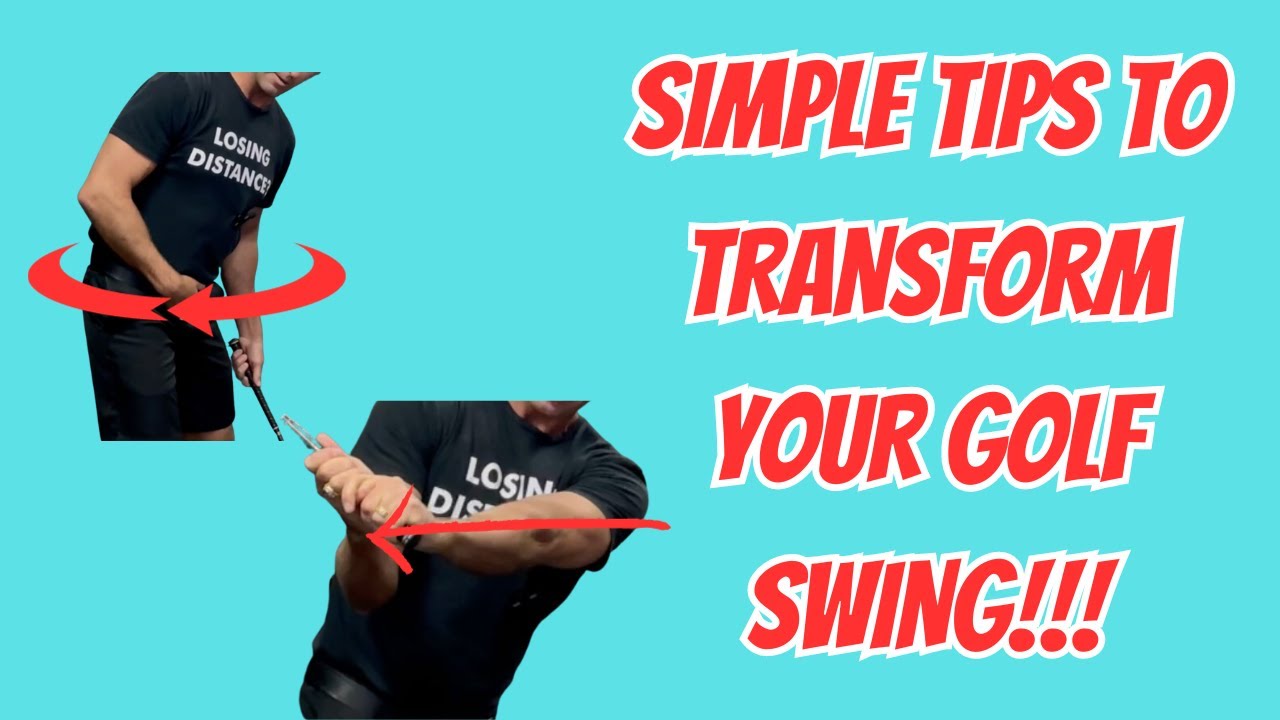
You chunk it. You top it. You bury the club head six inches behind the ball and watch your birdie attempt disappear into the turf.
And everyone tells you the same thing.
You lifted your head.
Here’s the truth: lifting your head is not the problem. It’s the symptom. Something happens right before the head comes up that causes the whole thing—and until you fix that, no amount of “keep your eye on the ball” is going to help you.
At Berman Golf, this is one of the most misdiagnosed issues we see with senior golfers. And once you understand what’s actually happening, the fix is surprisingly straightforward.
The Real Reason Your Head Comes Up
Here’s what’s actually going on.
When you straighten your trail knee going into the backswing—or sway too far off the ball—your spine tilts one direction. It has to. That’s just physics.
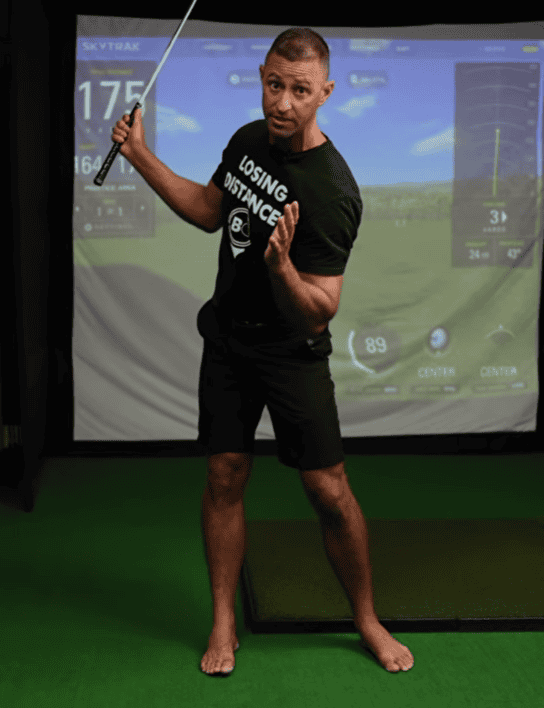
And here’s the problem with that.
Whatever the body does going back, it has to undo coming down. If you tilted one way in the backswing, the only way to get back to the ball is to tilt the other way on the downswing. And when your body tilts the other way on the downswing, your head naturally comes up with it.
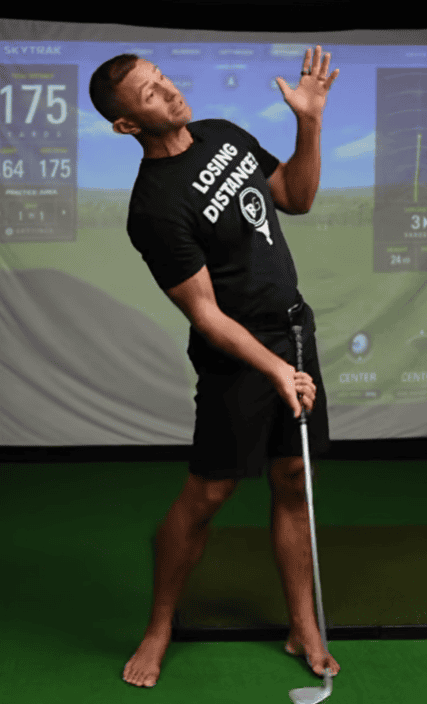
You’re not lifting your head on purpose. Your body is simply undoing what it did going back.
That’s why telling yourself to keep your head down never works. The head lift is just the last domino to fall. The real problem is the sway—and the sway starts with what the trail knee is doing in the backswing.
The Fix: Two Thoughts That Change Everything
The solution is simple. Not easy—but simple.
It comes down to two things happening simultaneously in the backswing.
Thought #1: Keep That Trail Knee Bent
As you go into the backswing, focus on keeping the trail knee flexed and pushing that trail foot through the ground.
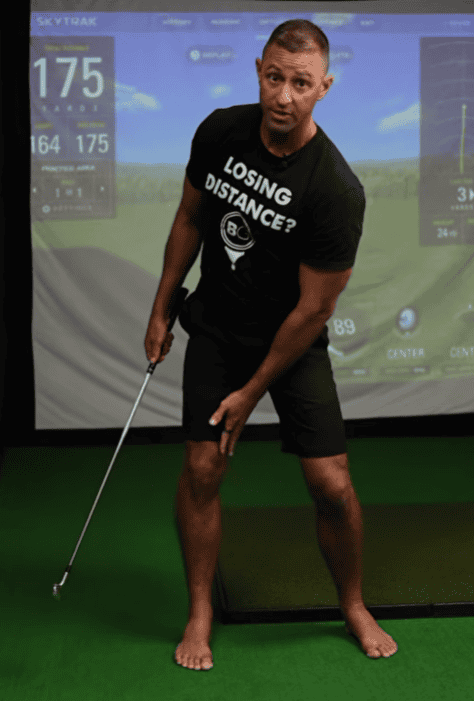
When the knee stays bent, the body doesn’t tilt. When the body doesn’t tilt, it doesn’t have to recover on the way down. Spine angle stays intact. Head stays down. Club finds the ball.
It really is that direct.
Thought #2: Push Your Hands Away From You
Here’s where most people go wrong with the backswing thought. They think about taking the club head back and wrapping it around their body.
That wrapping motion is exactly what creates the sway in the first place.
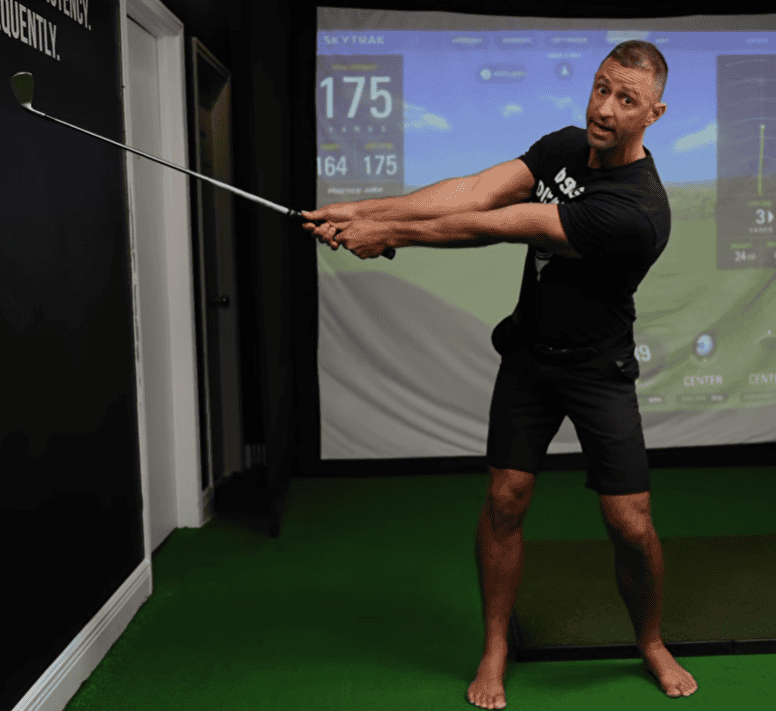
Instead, think about pushing your hands away from you—away from your chest, away from the target, extending out along the target line.
This is not just a swing tip. As a Doctor of Physical Therapy and biomechanics expert, I want you to understand why this thought works. Your brain controls your motion. The thought you have going into a movement shapes the actual outcome of that movement. If you’re thinking “wrap it around,” your body wraps. And wrapping creates the teeter. And the teeter creates the sway. And the sway creates the chunk or the top.
Think “push the hands away,” and your body extends instead of wraps. The spine stays stable. The trail knee stays loaded. The club stays on plane.
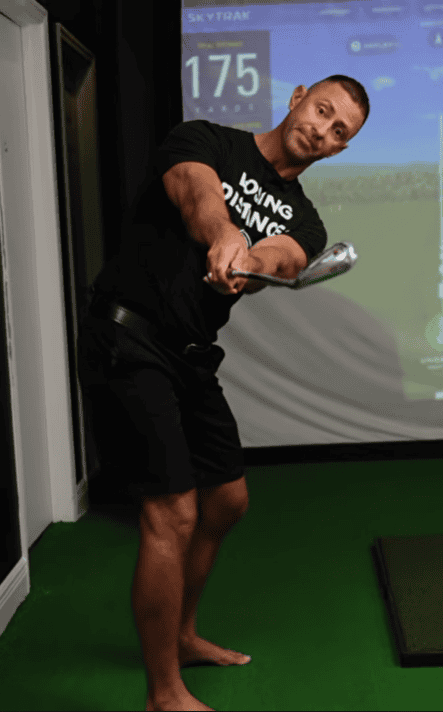
When you do this correctly—bent trail knee, hands pushing away, extending out from the chest—here’s what fires at the same time:
- Core engages
- Glutes load
- Spine angle holds
- True shoulder turn happens
- True hip turn happens
That’s not a lucky swing. That’s a loaded one.
The Secret Weapon: Go Slower
Here’s a pro tip that most golfers never consider.
The slower you go into the backswing, the more muscles you keep engaged.
And the more muscles you keep engaged during the backswing, the more muscles you have available to use at the transition point—the moment you switch from backswing to downswing.
That transition point is everything. It’s where the swing either stays together or falls apart.
When you rush the backswing, the muscles disengage. The body disconnects at the top. And when you start the downswing from a disconnected position, the spine has nothing to stabilize it. The head moves. The body sways. The club bottoms out in the wrong place.
Go slow into the backswing and the muscles stay working. Go slow and the transition stays connected. Go slow and the spine stays stable through the whole sequence.
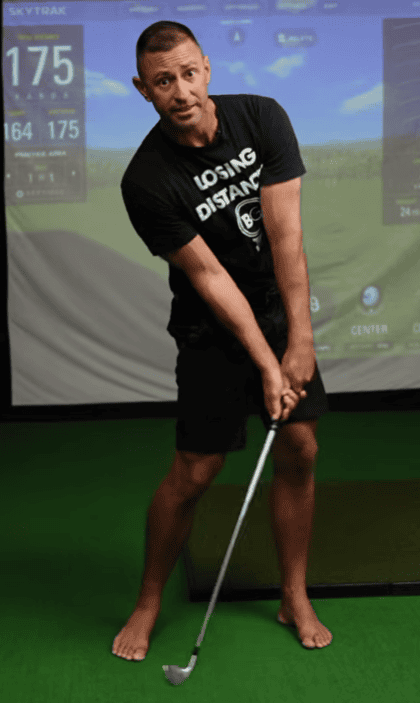
This is especially important for senior golfers. The aging body doesn’t reconnect as quickly as it used to. If you rush the backswing and lose your muscle engagement at the top, you may not get it back in time to make a clean strike.
Slow is smooth. Smooth is powerful. And powerful is what you’re looking for.
Put It All Together
If you’re struggling with chunking, topping, or losing your spine angle through impact, here’s the checklist to run through every backswing:
Load that trail knee—keep it bent, push the foot into the ground.
Extend the hands away from the chest and away from the target—no wrapping, no tilting.
Go slow—keep the muscles engaged so the transition stays connected.
That combination stops the sway. And when the sway stops, the head stops lifting. And when the head stops lifting, the club finds the ball the way it’s supposed to.
Want a Step-by-Step Blueprint?
If this resonates with you and you’re tired of advice designed for 25-year-old tour pros, I put together a simple blueprint specifically for senior golfers.
It breaks down:
- How the aging body changes
- Which muscles actually produce power
- How to gain distance without swinging harder
- How to improve consistency while reducing aches and pains
It’s written at a fifth-grade reading level with clear visuals and practical drills you can start immediately.
You can download a FREE digital copy at: 👉 gaindistance.com
No gimmicks. Just clarity on how your body should move so you can play better golf for years to come.
What Comes Next
Once you’ve got the backswing dialed in—trail knee loaded, hands extending, spine angle holding—the next piece is learning how to initiate the downswing correctly, create lag, and sharpen your ball striking.
That’s where the real scoring improvements start to compound.
But none of that works without getting the backswing right first. Build this foundation. Make it automatic. Then everything that comes after it gets significantly easier.
Bringing It All Together
If you’ve been chunking and topping and lifting your head for years, don’t blame your eyes. Blame your backswing.
The trail knee is straightening. The body is tilting. The sway is happening. And the head lift is just the natural result of a body trying to undo what it did going back.
Fix the backswing position and the head lift fixes itself.
Keep the trail knee bent. Push the hands away from the target. Go slow and keep the muscles engaged. Three simple thoughts that stop the most frustrating pattern in senior golf.
At Berman Golf, we focus on biomechanics first. We don’t teach cookie-cutter swings. We teach you how your body should move—especially as it ages—so you can generate power safely and repeat it under pressure.
Our in-house and online coaching programs are built specifically for senior golfers who want more distance and better consistency without beating up their bodies.
If you’re tired of advice designed for tour pros and ready for a blueprint built for your body, we’re here to help.
Because when the trail knee stays loaded and the hands push away, the sway disappears.
And when the sway disappears, the game gets soooooo much easier!